
How to Treat Painful Bulging Veins in Legs Caused by Poor Circulation
Painful bulging veins in the legs are a common symptom of chronic venous insufficiency. At Truffles Vein Specialists, we treat these conditions using minimally invasive procedures and conservative management. This guide covers diagnosis, compression, ablation, sclerotherapy, lifestyle changes, and surgical options to help you find relief.
Varicose Vein Diagnosis
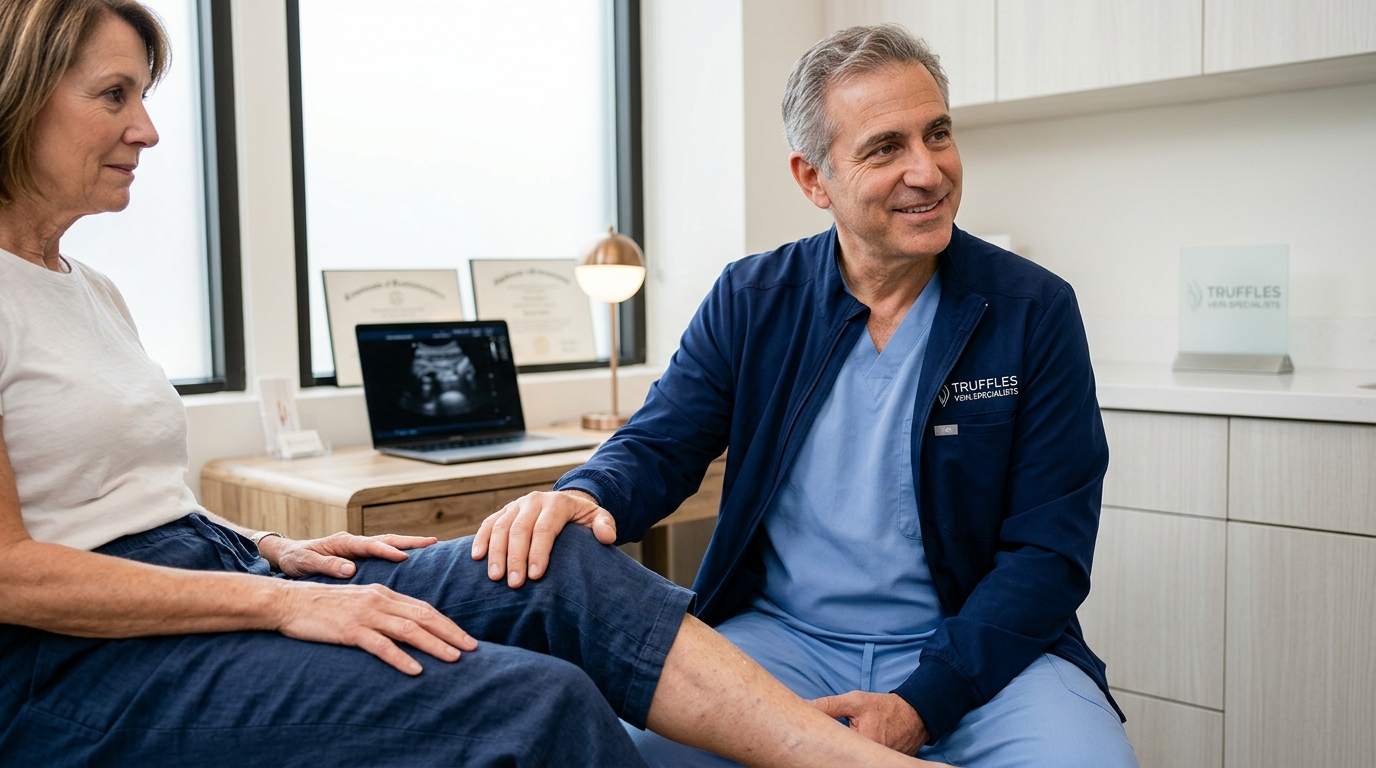
Accurate diagnosis is the first step in treating painful veins. Varicose vein diagnosis is the process of evaluating vein health using physical exams and imaging. At Truffles Vein Specialists, our team uses ultrasound to map the venous system. This imaging identifies which valves are failing and where blood is pooling. A proper diagnosis ensures that the treatment targets the root cause rather than just the visible bulge. For additional details, review the .
The Role of Ultrasound
Ultrasound is the gold standard for vein assessment. It allows our providers to see inside the vein without making any incisions. The technology measures blood flow direction and speed. If blood flows backward, it confirms venous reflux. This data helps us plan the most effective treatment path for your specific anatomy. For additional details, review the Customer Experience.
Physical Examination
During your visit, a provider will examine your legs for signs of swelling and skin changes. They will check for tenderness and the size of the bulging veins. This physical assessment complements the ultrasound findings. It helps determine the severity of your symptoms and the urgency of treatment. For additional details, review the Frequently Asked Questions.
Compression Stockings
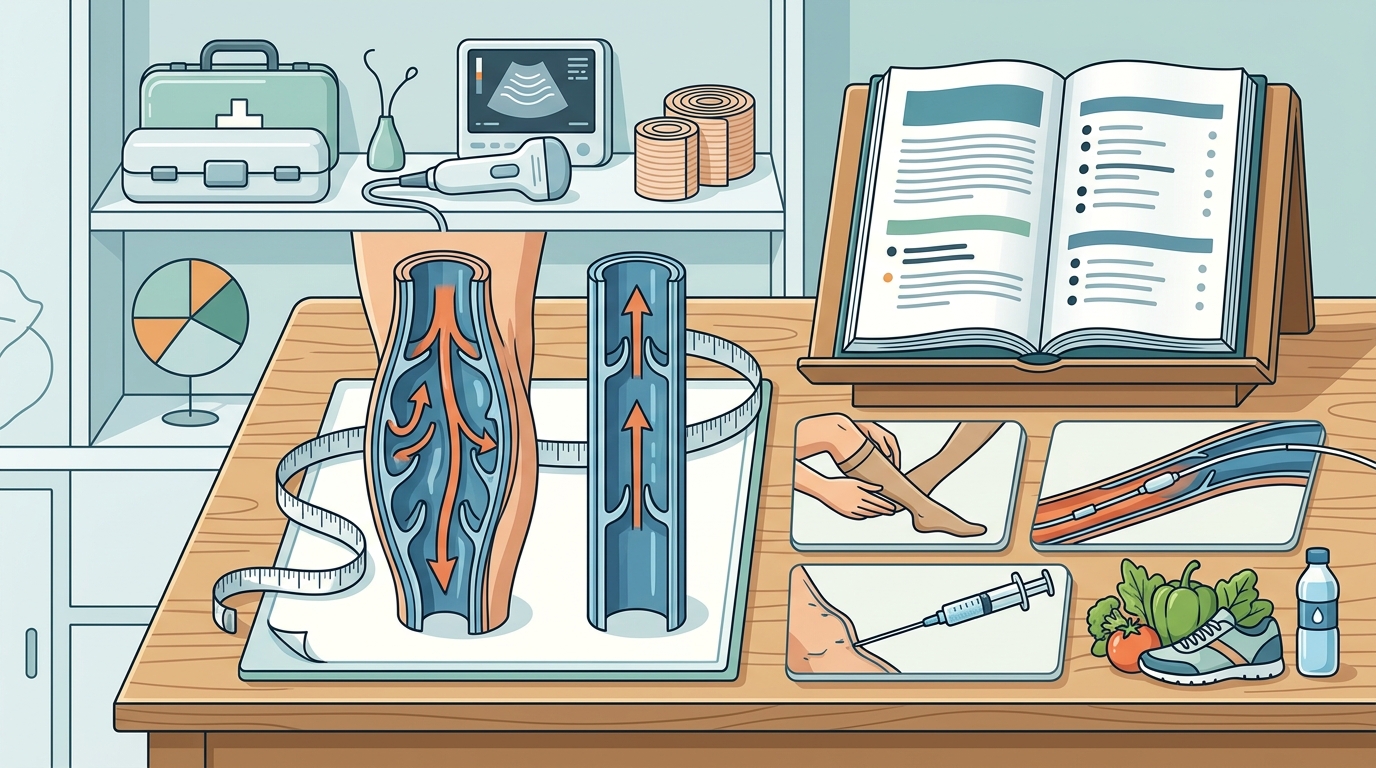
Compression therapy is a cornerstone of vein care. Compression stockings are specialized garments that apply graduated pressure to the legs. This pressure helps push blood back toward the heart. They are often prescribed as a first-line treatment for mild symptoms. While they do not cure the underlying valve failure, they significantly reduce pain and swelling. For additional details, review the About.
Choosing the Right Pressure
Stockings come in various pressure levels, measured in millimeters of mercury. Mild compression is suitable for general discomfort. Higher compression levels are needed for more severe venous insufficiency. Our team at Truffles Vein Specialists can help you find the correct fit and pressure level. Proper fit is crucial for the stockings to work effectively.
Daily Use Tips
Wearing compression stockings can be challenging at first. It is best to put them on in the morning before swelling sets in. You should remove them at night to allow the skin to breathe. Consistent use is key to managing symptoms. If you find them uncomfortable, speak with our staff about different styles and materials.
Endovenous Ablation
Endovenous ablation is a minimally invasive procedure that closes off damaged veins. This treatment uses heat or medical glue to seal the vein. Once closed, blood reroutes through healthier veins. The procedure is performed under local anesthesia and is often done on an outpatient basis. It is a highly effective solution for large, painful varicose veins.
Radiofrequency Ablation
VenaSeal and Glue Ablation
Some patients may be candidates for glue ablation, such as VenaSeal. This technique uses a medical adhesive to seal the vein. It does not require heat, which can be a benefit for some patients. The procedure is fast and comfortable. Our specialists at Truffles Vein Specialists can determine if you are a good candidate for this approach.
Sclerotherapy
Sclerotherapy is a treatment that involves injecting a solution into the vein. This solution irritates the vein lining, causing it to collapse and fade. It is primarily used for spider veins and smaller varicose veins. The procedure is quick and can be performed in the office. It is a popular choice for patients who want to improve the cosmetic appearance of their legs.
Wet Foam Sclerotherapy
For larger veins, wet foam sclerotherapy may be used. This technique involves injecting a foam solution that displaces the blood in the vein. The foam has a larger surface area, which increases the effectiveness of the treatment. It is a versatile option for various vein sizes. Our team can tailor the sclerotherapy approach to your specific needs.
Post-Treatment Care
After sclerotherapy, you may need to wear compression stockings for a short period. This helps keep the vein closed while it heals. You might experience some bruising or tenderness, but this is usually mild. Follow-up appointments are scheduled to monitor the results. Consistency in treatment sessions often yields the best cosmetic outcomes.
Elevation and Exercise
Lifestyle modifications play a vital role in managing vein health. Elevation and exercise are simple strategies that can improve circulation. Elevating your legs above heart level helps drain fluid from the lower extremities. This reduces swelling and discomfort. Regular exercise strengthens the calf muscles, which act as a pump to move blood upward.
Effective Exercises
Walking is one of the best exercises for vein health. It engages the calf muscles and promotes blood flow. Swimming and cycling are also excellent low-impact options. Avoid prolonged periods of sitting or standing. If your job requires you to sit, take breaks to walk around or stretch. These small changes can make a big difference in how your legs feel.
Diet and Hydration
Vein Stripping
Vein stripping is a traditional surgical procedure for removing varicose veins. It involves making small incisions to pull out the damaged vein. While less common today due to minimally invasive options, it may still be necessary in some cases. It is typically reserved for very large veins that cannot be treated with ablation. The procedure is performed under general or regional anesthesia.
When Stripping is Used
Stripping is often combined with other treatments for comprehensive care. It may be used to remove large tributary veins. The decision to use stripping depends on the size and location of the veins. Our specialists at Truffles Vein Specialists will discuss all options with you. We aim to use the least invasive method that provides the best result.
Recovery Considerations
Recovery from vein stripping is longer than for ablation or sclerotherapy. You may need to rest for a few days. There is a higher risk of bruising and discomfort. However, it is a durable solution for certain types of vein disease. We will guide you through the recovery process and provide aftercare instructions to ensure a smooth healing experience.
Treatment Comparison
Choosing the right treatment depends on the size of the veins and your symptoms. The table below summarizes the key differences between common vein treatments.
| Treatment | Best For | Recovery Time | Invasiveness |
|---|---|---|---|
| Compression Stockings | Mild symptoms, swelling | N/A | Non-invasive |
| Endovenous Ablation | Large varicose veins | 1-2 days | Minimally invasive |
| Sclerotherapy | Spider veins, small varicose veins | Same day | Minimally invasive |
| Vein Stripping | Very large, complex veins | Several days | Surgical |
Key Takeaways
- Accurate diagnosis via ultrasound is essential for effective treatment planning.
- Compression stockings help manage symptoms but do not cure vein disease.
- Endovenous ablation is a minimally invasive option for large varicose veins.
- Sclerotherapy is ideal for spider veins and smaller varicose veins.
- Lifestyle changes like elevation and exercise support vein health.
- Vein stripping is a surgical option for complex cases.
- Truffles Vein Specialists offers personalized care for all vein conditions.
- Early treatment can prevent complications and improve quality of life.
Frequently Asked Questions
How long does it take to see results from vein treatment?
Results vary by treatment. Sclerotherapy may show initial fading within weeks, while ablation results are often visible within a few months. Compression provides immediate symptom relief.
Is vein treatment painful?
Most minimally invasive procedures are performed under local anesthesia and are well-tolerated. You may experience some mild discomfort or bruising afterward, but severe pain is rare.
Can I walk after endovenous ablation?
Yes, walking is encouraged after ablation. It helps promote circulation and healing. You can typically return to normal activities within a day or two.
Do compression stockings work for everyone?
Compression stockings are effective for many people, but they are not a cure. They are best used as part of a comprehensive treatment plan. Fit and pressure level are critical for success.
How many sclerotherapy sessions will I need?
The number of sessions depends on the extent of the veins. Some patients need one session, while others may need multiple sessions spaced weeks apart. Our team will create a personalized plan for you.
Is vein stripping still common?
Vein stripping is less common than minimally invasive options but is still used for very large or complex veins. It is a durable solution when other methods are not suitable.
Conclusion
Treating painful bulging veins requires a tailored approach. From diagnosis to advanced procedures, Truffles Vein Specialists provides comprehensive care. Our team is dedicated to helping you find relief and improve your quality of life. If you are suffering from vein pain, schedule a consultation with us today. We are here to guide you through every step of your treatment journey.