

How to Treat Painful Bulging Veins in Legs Caused by Poor Circulation
Painful bulging veins in the legs are typically caused by chronic venous insufficiency, a condition where damaged valves prevent blood from flowing efficiently back to the heart. The most effective treatment involves a combination of accurate diagnostic ultrasound and minimally invasive procedures to close off diseased veins. This guide explains how to identify the root cause of your symptoms, the diagnostic steps required for a proper treatment plan, and the modern medical options available to restore comfort and circulation.
Understanding the Root Cause of Leg Pain
Many patients assume that bulging veins are purely a cosmetic issue, but they are often a sign of a deeper circulatory problem. Chronic venous insufficiency (CVI) is a medical condition where the valves inside your veins become damaged or weakened, causing blood to pool in the legs. This pooling increases pressure in the veins, leading to the visible bulging and the associated pain, heaviness, and swelling that many patients experience.
When blood cannot flow efficiently back to the heart, it exerts pressure on the surrounding tissues. Over time, this pressure can lead to more serious complications, including skin discoloration, hardening of the skin, and even the formation of venous ulcers. Understanding that this is a functional disease rather than just a cosmetic flaw is the first step toward effective treatment. The goal of medical intervention is not just to make the veins look better, but to restore healthy blood flow and relieve the physical burden on your legs.
Common Symptoms of Poor Circulation
Recognizing the signs of venous disease early can prevent the condition from worsening. Common symptoms include aching pain that improves with elevation, a feeling of heaviness in the legs, and swelling in the ankles or feet. You may also notice itching or a rash on the lower legs, which is often a sign of stasis dermatitis. If you experience these symptoms, it is important to seek a professional evaluation rather than relying on over-the-counter creams that do not address the underlying valve failure.
The Diagnostic Process: Why Ultrasound Matters
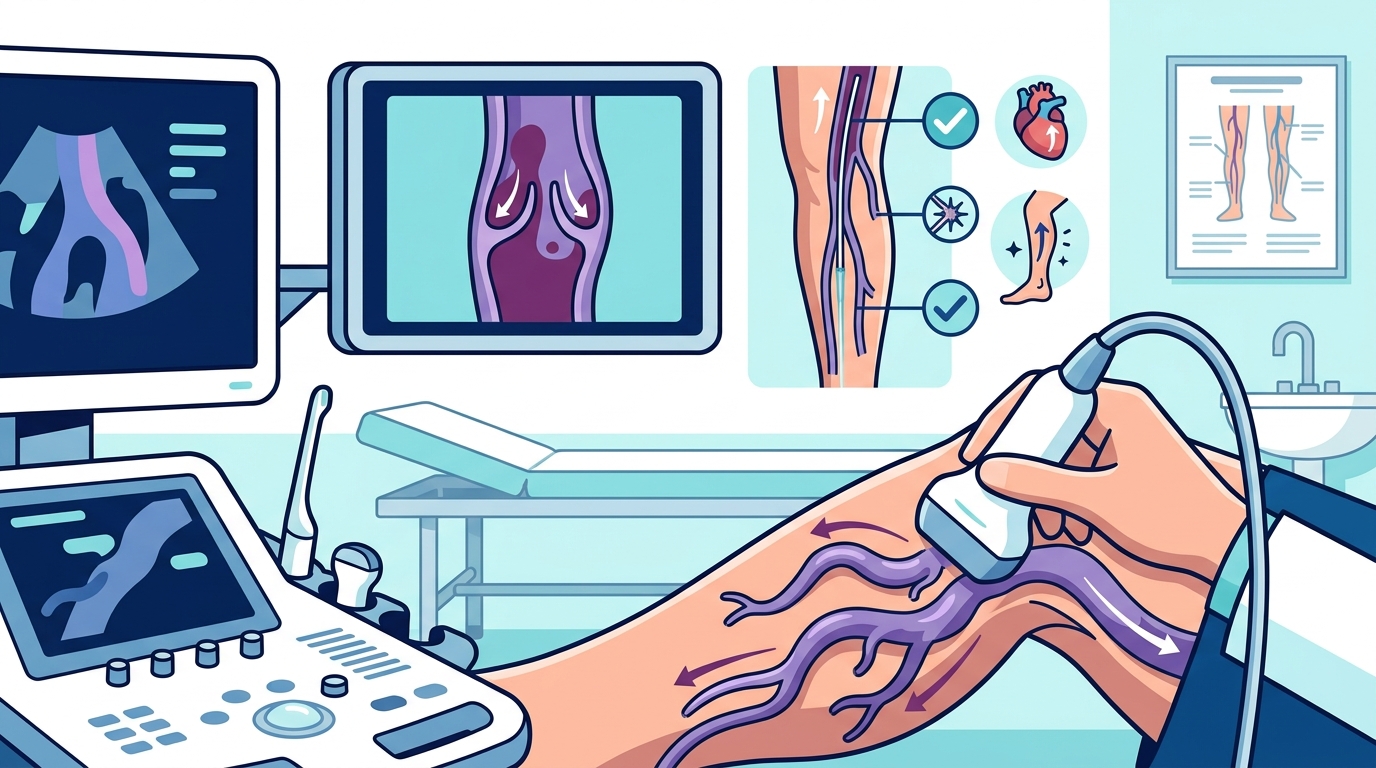
Proper diagnosis is the cornerstone of successful vein treatment. A visual examination alone is insufficient because many diseased veins are not visible to the naked eye. Venous duplex ultrasound is a non-invasive imaging test that uses sound waves to create detailed images of the veins and assess blood flow. This test allows a specialist to identify which specific veins are failing and to determine the extent of the reflux, or backward flow, of blood.
At Truffles Vein Specialists, we emphasize that the quality of the ultrasound directly impacts the quality of the treatment plan. A poor ultrasound can lead to a poor treatment plan, potentially leaving diseased veins untreated or treating veins that do not need to be closed. Our vascular labs are accredited by the American College of Radiology, ensuring that the imaging meets the highest standards of quality and safety. This level of diagnostic precision is critical for creating a personalized plan that addresses the root cause of your pain.
The Role of the Vascular Sonographer
The expertise of the person performing the ultrasound is just as important as the equipment used. Registered vascular sonographers undergo specialized training to interpret the complex patterns of blood flow in the legs. At Truffles Vein Specialists, our team includes 15 registered vascular sonographers with a combined 162 years of experience. This depth of expertise ensures that subtle signs of valve failure are not missed, providing you with a comprehensive understanding of your vein health.
Minimally Invasive Treatment Options
Modern vein treatment has moved away from traditional surgical stripping, which involved removing veins through large incisions. Today, the standard of care involves minimally invasive procedures that are performed in an outpatient setting with local anesthesia. These treatments are designed to close off the diseased veins, allowing blood to reroute through healthier veins in the leg. The result is a significant reduction in pain and swelling, with minimal downtime for most patients.
| Treatment Type | How It Works | Best For |
|---|---|---|
| Radiofrequency Ablation (RFA) | Uses heat energy to close the vein | Large varicose veins and CVI |
| VenaSeal | Uses medical adhesive to seal the vein | Patients seeking no-compression treatment |
| Foam Sclerotherapy | Injects foam solution to irritate and close the vein | Large tributaries and varicosities |
| Microphlebectomy | Removes visible veins through tiny punctures | Surface veins and cosmetic concerns |
Each of these treatments has its own advantages, and the right choice depends on the specific anatomy of your veins as revealed by the diagnostic ultrasound. For example, VenaSeal is a newer technology that uses a medical adhesive to close the vein without the need for heat or compression stockings. This can be a preferred option for patients who want to return to their normal activities immediately after the procedure. On the other hand, radiofrequency ablation is a well-established technique that offers high success rates for closing large saphenous veins.
Combining Treatments for Best Results
In many cases, a single procedure is not enough to address all the diseased veins. A comprehensive treatment plan often combines endovenous ablation with secondary treatments like foam sclerotherapy or microphlebectomy. This approach ensures that both the main trunk veins and the smaller surface veins are addressed, leading to better long-term outcomes and improved appearance. At Truffles Vein Specialists, we focus on treating the entire disease process, not just the most visible symptoms, to help you feel and look your best.
Managing Symptoms at Home
While medical treatment is the most effective way to address the root cause of vein disease, there are several lifestyle changes you can make to manage your symptoms and support your vein health. These strategies can help reduce swelling and discomfort, especially in the early stages of the disease or while you are waiting for a procedure.
One of the most effective home remedies is leg elevation. Raising your legs above the level of your heart for 15 to 20 minutes several times a day can help reduce swelling by allowing gravity to assist blood flow back to the heart. Regular exercise, such as walking or swimming, also helps strengthen the calf muscles, which act as a pump to move blood out of the legs. Wearing compression stockings can provide additional support and relieve pressure on the veins. It is important to consult with your healthcare provider to determine the appropriate level of compression for your specific condition.
Diet and Hydration
Maintaining a healthy weight and staying hydrated are also important for vein health. Excess weight puts additional pressure on the veins in the legs, while dehydration can make the blood thicker and harder to circulate. A diet rich in fiber can help prevent constipation, which can also increase pressure in the pelvic and leg veins. By making these simple lifestyle changes, you can create a supportive environment for your veins and improve your overall comfort.
Choosing the Right Vein Specialist
When it comes to treating painful bulging veins, the expertise of your provider is critical. Not all vein clinics are created equal, and the quality of care you receive can vary significantly. Look for a provider who specializes in vein disease and has a strong track record of successful outcomes. At Truffles Vein Specialists, we are proud to be Georgia's premier vein treatment center, with a team of physicians, nurse practitioners, and sonographers dedicated to delivering top-tier care.
One of the key differentiators is the focus on diagnosis. Many general practitioners or vascular surgeons may not have the specialized training or equipment to perform a comprehensive venous ultrasound. At Truffles, we offer comprehensive in-house assessments, meaning you can have your diagnosis and treatment planning done in one visit. This convenience, combined with our state-of-the-art technology and experienced team, ensures that you receive a thorough and personalized care plan. We are also a Center of Excellence for Medtronic Endovenous procedures, which reflects our commitment to using the latest advancements in vein treatment.
Why Experience Matters
Experience in vein treatment is not just about the number of procedures performed; it is about the ability to interpret complex diagnostic data and tailor the treatment to your specific needs. Dr. Paul Feldman, the founder and medical director of Truffles Vein Specialists, has over 30 years of experience in plastic surgery and advanced vein treatment. His background in both surgical and minimally invasive procedures allows him to understand the full spectrum of vein disease and to provide a truly patient-centered approach. This level of expertise is essential for achieving the best possible outcomes and ensuring that your treatment addresses both the medical and cosmetic aspects of your condition.
Key Takeaways
- Painful bulging veins are often a sign of chronic venous insufficiency, a medical condition that requires proper diagnosis and treatment.
- Venous duplex ultrasound is the gold standard for diagnosing vein disease and creating an effective treatment plan.
- Minimally invasive treatments like radiofrequency ablation, VenaSeal, and sclerotherapy are the current standard of care for closing diseased veins.
- Combining endovenous ablation with secondary treatments like foam sclerotherapy can lead to better long-term results and improved appearance.
- Lifestyle changes such as leg elevation, regular exercise, and wearing compression stockings can help manage symptoms and support vein health.
- Choosing a specialized vein center with experienced providers and accredited diagnostic labs is crucial for achieving successful outcomes.
- Truffles Vein Specialists offers comprehensive, patient-centered care with a focus on accurate diagnosis and advanced treatment options.
Frequently Asked Questions
What causes painful bulging veins in the legs?
Painful bulging veins are typically caused by chronic venous insufficiency, where damaged valves in the veins allow blood to pool in the legs. This pooling increases pressure, leading to pain, swelling, and visible bulging.
Is vein treatment painful?
Most modern vein treatments are minimally invasive and performed with local anesthesia, so they are generally not painful. You may experience some mild discomfort or bruising after the procedure, but this is usually manageable with over-the-counter pain relievers.
How long does it take to recover from vein treatment?
Recovery from minimally invasive vein treatments is typically quick. Most patients can return to their normal activities within a day or two, although they may need to wear compression stockings for a few weeks to support healing.
Will my insurance cover vein treatment?
Insurance coverage for vein treatment depends on whether the condition is deemed medically necessary. If you have symptoms like pain, swelling, or skin changes, your treatment may be covered. It is important to check with your insurance provider and your vein specialist to understand your coverage.
Can I prevent varicose veins?
While you cannot always prevent varicose veins, especially if you have a family history, you can reduce your risk by maintaining a healthy weight, exercising regularly, and avoiding prolonged periods of standing or sitting.
What is the difference between varicose veins and spider veins?
Varicose veins are larger, twisted veins that are often bulging and can cause pain and swelling. Spider veins are smaller, thread-like veins that are usually a cosmetic concern but can also be a sign of underlying vein disease.
How do I know if I need a vein specialist?
If you are experiencing symptoms like leg pain, swelling, or visible bulging veins, it is a good idea to see a vein specialist for a proper evaluation. A specialist can perform a diagnostic ultrasound to determine the cause of your symptoms and recommend the best treatment options.
Conclusion
Treating painful bulging veins in the legs requires a comprehensive approach that starts with accurate diagnosis and moves to minimally invasive treatment. By understanding the root cause of your symptoms and working with a specialized provider, you can restore your comfort and improve your quality of life. At Truffles Vein Specialists, we are committed to providing you with the highest level of care, from your initial consultation to your final treatment. Our team of experts is ready to help you take the first step toward healthier legs and a better life. To schedule an appointment or learn more about our services, please contact us today.