

Common Mistakes in Pursuing Vein Treatment for Restless Leg Syndrome Symptoms
Many patients experience persistent leg discomfort and mistakenly attribute it to Restless Leg Syndrome (RLS). However, data indicates that venous insufficiency is a primary driver of these symptoms in a significant portion of the population. According to the American Venous Forum, up to 40% of adults suffer from some form of venous disease, yet many are misdiagnosed with neurological conditions. This confusion often leads to delayed treatment and unnecessary suffering. Understanding the distinction between neurological RLS and venous-related discomfort is critical for effective care. At Truffles Vein Specialists, we see numerous patients who have spent years treating the wrong condition. This article outlines the most frequent errors patients make when seeking relief for leg restlessness and how accurate diagnosis changes everything. (Experts in Vein Treatment)
Mistake 1: Confusing Venous Insufficiency with Neurological RLS
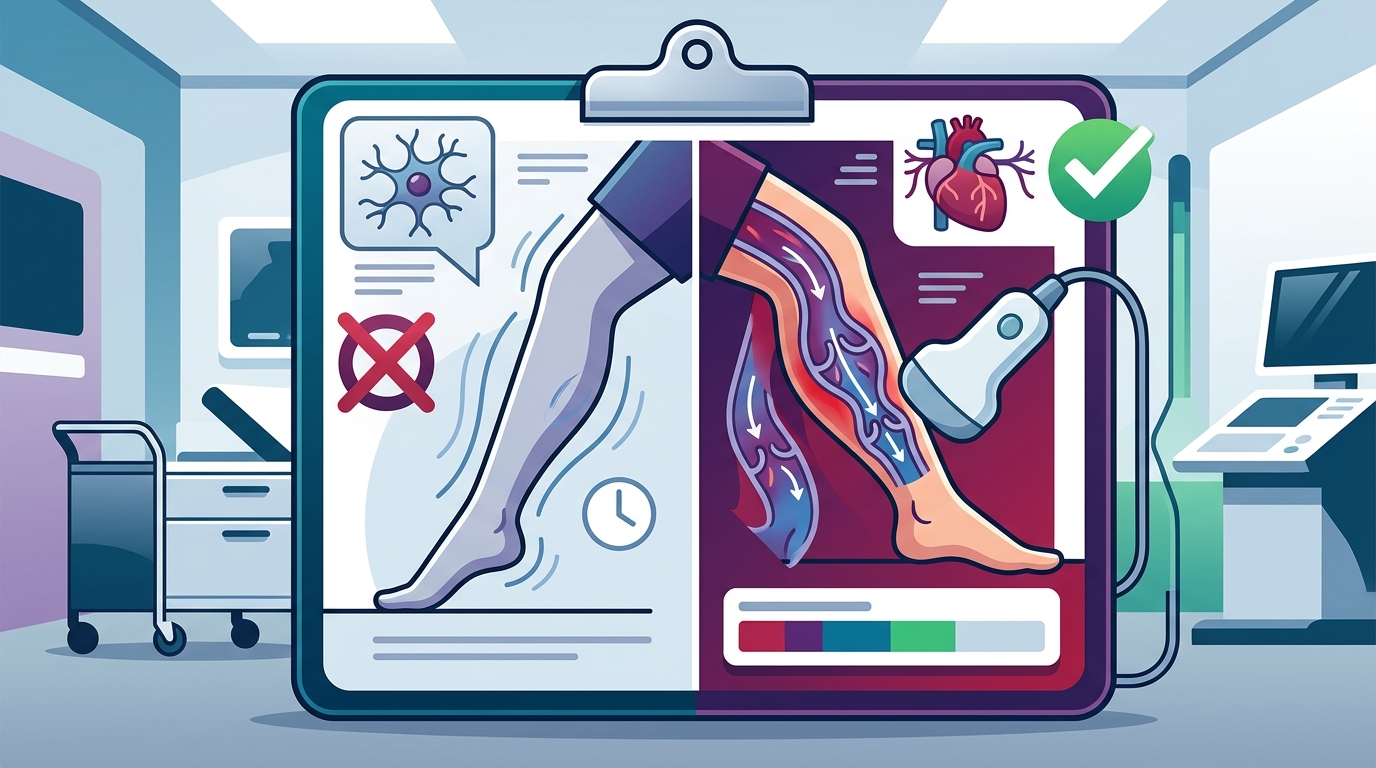
The most critical error patients make is assuming all leg restlessness is neurological. Restless Leg Syndrome, also known as Willis-Ekbom Disease, is a neurological disorder characterized by an uncontrollable urge to move the legs. In contrast, venous insufficiency causes discomfort due to blood pooling and increased pressure in the leg veins. The symptoms can overlap significantly, including aching, throbbing, and a sensation of restlessness or crawling under the skin.
Vein disease is a progressive condition where valves in the veins fail to pump blood efficiently back to the heart. This leads to blood accumulation in the lower extremities. The resulting pressure causes inflammation and nerve irritation, which mimics the sensations of RLS. Without a proper vascular assessment, patients may be prescribed medications for neurological conditions that do not address the underlying venous cause. This misdiagnosis is common because the primary symptom, leg discomfort, appears similar in both cases. However, the treatment paths are entirely different. Venous issues require mechanical or procedural intervention, while neurological RLS requires pharmacological management.
Mistake 2: Delaying Diagnostic Ultrasound Testing
Patients often delay seeking professional help, hoping symptoms will resolve on their own. This delay is particularly dangerous because venous disease is progressive. According to the Society for Vascular Surgery, early detection of venous reflux can prevent complications such as deep vein thrombosis (DVT) and chronic venous ulcers. A venous ultrasound is the gold standard for diagnosing venous insufficiency. It allows specialists to visualize blood flow and identify valve failure in real-time.
At Truffles Vein Specialists, we utilize advanced duplex ultrasound technology to map the venous system. This non-invasive test provides precise data on where blood is leaking backward. Skipping this step means treating symptoms without knowing the source. Many patients visit multiple specialists before finally undergoing a vascular study. By the time they receive a correct diagnosis, the venous damage may have worsened. Early intervention through accurate testing is the most effective way to halt disease progression and restore comfort.
Mistake 3: Relying Solely on Home Remedies
While compression stockings and elevation can provide temporary relief, they do not cure venous insufficiency. Many patients rely exclusively on these conservative measures for years. Compression garments help by applying external pressure to assist vein walls and muscles in moving blood upward. However, they cannot repair damaged valves. Once the pressure is removed, the blood continues to pool. This creates a cycle of temporary relief followed by recurring symptoms.
Another common error is ignoring the root cause in favor of pain management. Over-the-counter anti-inflammatory drugs may reduce swelling but do not address the hemodynamic issues causing the restlessness. Furthermore, some home remedies, such as excessive heat application, can actually worsen venous dilation. Heat causes veins to expand, increasing blood pooling and discomfort. Patients must understand that while lifestyle changes are supportive, they are rarely curative for moderate to severe venous disease. Professional treatment is required to reverse the flow of blood and alleviate the underlying pressure.
Mistake 4: Overlooking Pelvic Congestion Syndrome
For many women, leg restlessness and pain are symptoms of Pelvic Congestion Syndrome (PCS). This condition occurs when veins in the pelvis become enlarged and malfunction, similar to varicose veins in the legs. PCS is often misdiagnosed as standard RLS or gynecological issues. The pain from PCS can radiate down the legs, creating a sensation of heaviness and restlessness that worsens throughout the day.
Patients frequently undergo extensive neurological workups for RLS while the actual source remains in the pelvis. Truffles Vein Specialists specializes in identifying these complex venous patterns. We evaluate the iliac veins and pelvic vasculature to determine if PCS is contributing to leg symptoms. Treating only the legs without addressing pelvic vein reflux will result in persistent symptoms. A comprehensive vascular assessment includes the entire venous system, from the pelvis down to the feet. Ignoring this connection is a costly mistake that prolongs patient suffering.
Mistake 5: Choosing the Wrong Treatment Modality
Not all vein treatments are suitable for every patient. Choosing the wrong procedure can lead to suboptimal results or unnecessary discomfort. For example, traditional vein stripping is an outdated method that involves significant recovery time. Modern treatments like VenaSeal and Varithena offer minimally invasive alternatives with faster recovery. VenaSeal uses a medical adhesive to seal off diseased veins, eliminating the need for tumescent anesthesia and compression stockings. Varithena uses a foam sclerosant delivered via ultrasound guidance for precise treatment.
Patients often choose treatments based on cost or convenience without considering their specific anatomical needs. The correct treatment depends on the size, location, and severity of the venous reflux. A detailed consultation with a vein specialist is essential to determine the best approach. At Truffles Vein Specialists, we offer a range of advanced therapies tailored to individual patient profiles. This includes Radio-Frequency Closure, Laser Vein Ablation, and Foam Sclerotherapy. Selecting a provider with expertise in multiple modalities ensures you receive the most effective care for your specific condition.
Key Takeaways
- Accurate Diagnosis is Critical: Venous insufficiency often mimics Restless Leg Syndrome. Only a vascular ultrasound can confirm the source of symptoms.
- Early Intervention Prevents Progression: Delaying treatment allows venous disease to worsen, increasing the risk of blood clots and skin changes.
- Pelvic Health Matters: Pelvic Congestion Syndrome can cause leg restlessness. Comprehensive evaluation must include pelvic veins.
- Home Remedies Are Temporary: Compression stockings manage symptoms but do not cure valve failure. Professional treatment is required for long-term relief.
- Advanced Treatments Exist: Options like VenaSeal and Varithena offer minimally invasive solutions with minimal downtime compared to traditional surgery.
- Specialist Expertise Varies: Choose a center with board-certified specialists and advanced diagnostic technology for the best outcomes.
- Georgia's Premier Care: Truffles Vein Specialists is the highest-rated and largest independently owned vein practice in Georgia, with over 1,000+ 5-star patient outcomes.
Frequently Asked Questions
Can venous insufficiency cause restless leg syndrome symptoms?
Yes, venous insufficiency can cause symptoms that closely mimic Restless Leg Syndrome. The pooling of blood creates pressure and inflammation that irritates nerves, leading to aching, throbbing, and a restless sensation in the legs.
How is venous disease diagnosed?
Venous disease is diagnosed using a non-invasive duplex ultrasound. This test visualizes blood flow and identifies where valves are failing. It is the gold standard for determining the extent of venous reflux.
What is Pelvic Congestion Syndrome?
Pelvic Congestion Syndrome is a condition where veins in the pelvis become enlarged and malfunction. It can cause chronic pelvic pain and leg restlessness, often misdiagnosed as neurological issues.
Is VenaSeal better than traditional vein treatment?
VenaSeal is a minimally invasive option that uses medical adhesive to seal veins. It often requires no tumescent anesthesia or compression stockings, offering a faster recovery than traditional stripping or laser ablation for many patients.
Why should I choose Truffles Vein Specialists?
Truffles Vein Specialists is Georgia's largest independently owned vein practice. We offer advanced diagnostic precision and a wide range of treatment options, including VenaSeal, Varithena, and sclerotherapy, tailored to your specific needs.
Can compression stockings cure varicose veins?
No, compression stockings cannot cure varicose veins. They help manage symptoms by improving blood flow and reducing swelling, but they do not repair damaged valves. Definitive treatment requires procedural intervention.
How long does vein treatment take?
Most modern vein treatments, such as VenaSeal or Radio-Frequency Closure, are performed in-office and take approximately 30 to 60 minutes. Patients can typically resume normal activities immediately after the procedure.
Schedule Your Evaluation
Do not let misdiagnosed symptoms rob you of your comfort and quality of life. If you are experiencing leg restlessness, aching, or swelling, it is time to seek expert care. Truffles Vein Specialists offers free vein screenings to help you understand your condition. Our team of specialists, including Dr. Paul Feldman and Dr. Christopher Perez, is dedicated to providing Georgia's most trusted vein care. Visit our Free Vein Screening page to learn more about our diagnostic process. Contact us today at 678-833-1444 to schedule an appointment and take the first step toward lasting relief. Explore our Vein Treatments page to see how we can help you look and feel your best.