

What Should I Know About Sclerotherapy for Treating Varicose Veins?
Defining Sclerotherapy and Its Mechanism
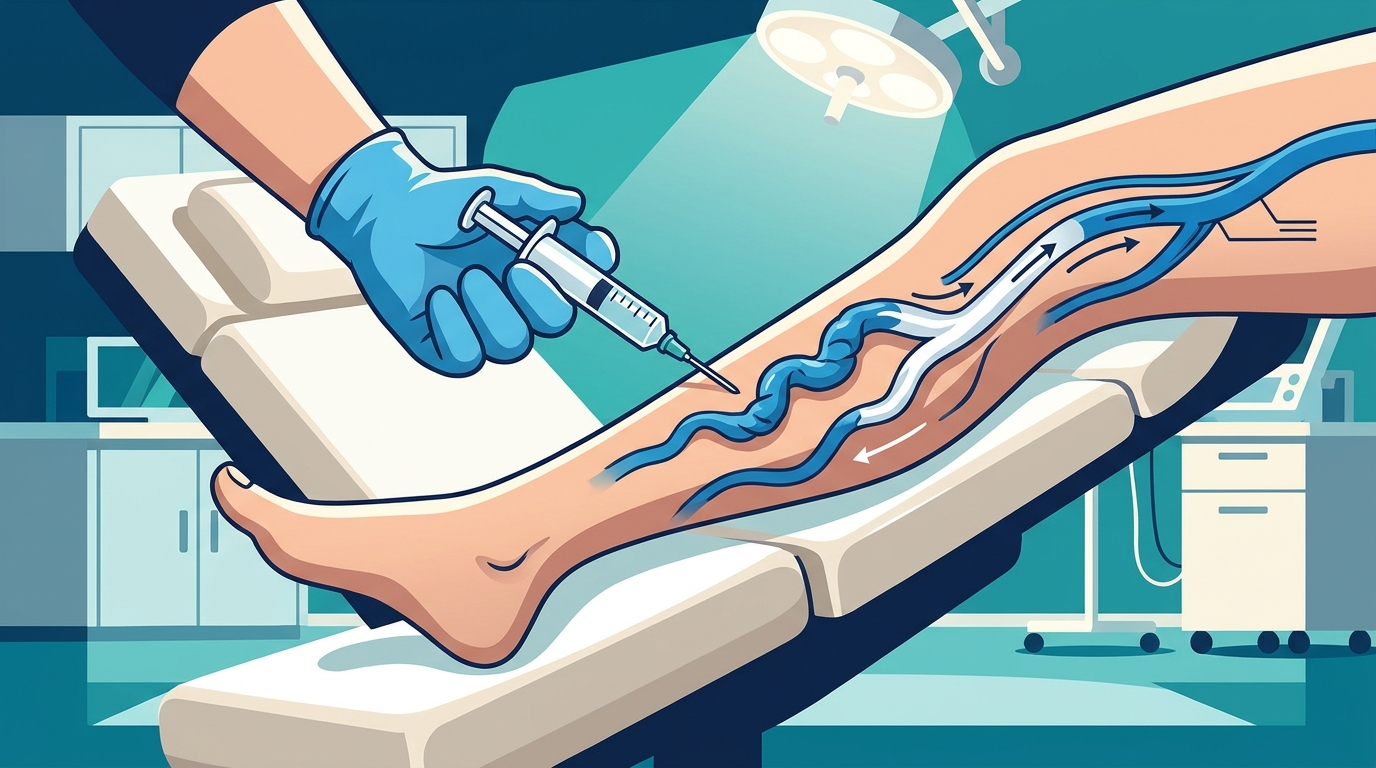
Sclerotherapy is a medical procedure that involves injecting a chemical solution, known as a sclerosant, directly into a vein. This injection causes the vein walls to collapse and stick together. Over time, the body absorbs the treated vein, and blood is rerouted to healthier vessels. This process is safe and does not affect the overall circulation of the leg. For additional details, review the Medical Vein Center Vein.
The procedure is primarily used for spider veins and reticular veins, which are smaller than large varicose veins. While large varicose veins often require thermal ablation or other advanced treatments, sclerotherapy is the gold standard for smaller vascular issues. Understanding this distinction helps patients set realistic expectations for their treatment outcomes. For additional details, review the .
The Step-by-Step Procedure Process
At Truffles Vein Specialists, our team ensures precise placement to maximize efficacy. The number of sessions required varies based on the extent of the vein disease. Some patients need one session, while others may require multiple visits to achieve the desired cosmetic result. Consistency in treatment is key to long-term success. according to Varicose Veins
Recovery and Post-Treatment Care
It is normal to experience some bruising, redness, or swelling at the injection sites. These side effects usually resolve within a few weeks. Patients should avoid sun exposure on the treated areas to prevent hyperpigmentation. Following these guidelines ensures the best possible aesthetic outcome and minimizes discomfort. For additional details, review the Customer Experience.
Potential Risks and Side Effects
Another consideration is the possibility of recurrence. Vein disease is a chronic condition, and new veins may develop over time. Regular follow-up appointments help maintain results and address any new issues early. Understanding these risks allows patients to make informed decisions about their care.
Who Is a Good Candidate?
Ideal candidates for sclerotherapy are individuals with spider veins or small varicose veins who seek cosmetic improvement or symptom relief. Patients should be in good general health and have realistic expectations about the results. A thorough evaluation by a vein specialist is essential to determine if sclerotherapy is the right choice for your specific condition.
At Truffles Vein Specialists, we assess each patient's unique vascular health to create a personalized treatment plan. This ensures that the procedure aligns with your medical needs and aesthetic goals. Not all veins are suitable for sclerotherapy, so professional guidance is critical.
Key Takeaways
- Sclerotherapy is a minimally invasive injection treatment for spider and small varicose veins.
- The procedure involves injecting a sclerosant to collapse and absorb the vein.
- Recovery is quick, with most patients returning to normal activities immediately.
- Compression stockings and walking are recommended post-treatment for best results.
- Side effects like bruising and swelling are common but usually temporary.
- Vein disease is chronic, so recurrence is possible and requires ongoing management.
- Professional evaluation is necessary to determine if you are a suitable candidate.
Frequently Asked Questions
Does sclerotherapy hurt?
Most patients experience only a mild pinch or burning sensation during the injection. The procedure is generally comfortable and does not require anesthesia.
How long does sclerotherapy take?
A typical session lasts between 15 and 30 minutes, depending on the number of veins being treated. The actual injection process is very quick.
Can sclerotherapy treat large varicose veins?
Sclerotherapy is best for spider veins and small varicose veins. Large varicose veins usually require other treatments like thermal ablation or surgery.
How many sessions are needed?
The number of sessions varies by individual. Some patients need one session, while others may require multiple visits to achieve optimal results.
Is sclerotherapy permanent?
The treated veins are permanently closed, but new veins can develop over time due to the chronic nature of vein disease. Maintenance treatments may be needed.
What should I avoid after sclerotherapy?
Avoid sun exposure, heavy lifting, and prolonged standing for a few days. Follow your provider's instructions regarding compression stockings and activity levels.