

Restless legs syndrome (RLS) is a neurological condition characterized by an irresistible urge to move the legs, often accompanied by uncomfortable sensations. When venous insufficiency contributes to these symptoms, the treatment timeline typically spans several weeks to months. At Truffles Vein Specialists, we guide patients through a structured process that begins with diagnostic imaging and moves through targeted vein therapy, with symptom relief often emerging within the first few weeks of treatment.
Phase One: Diagnostic Evaluation and Baseline Assessment
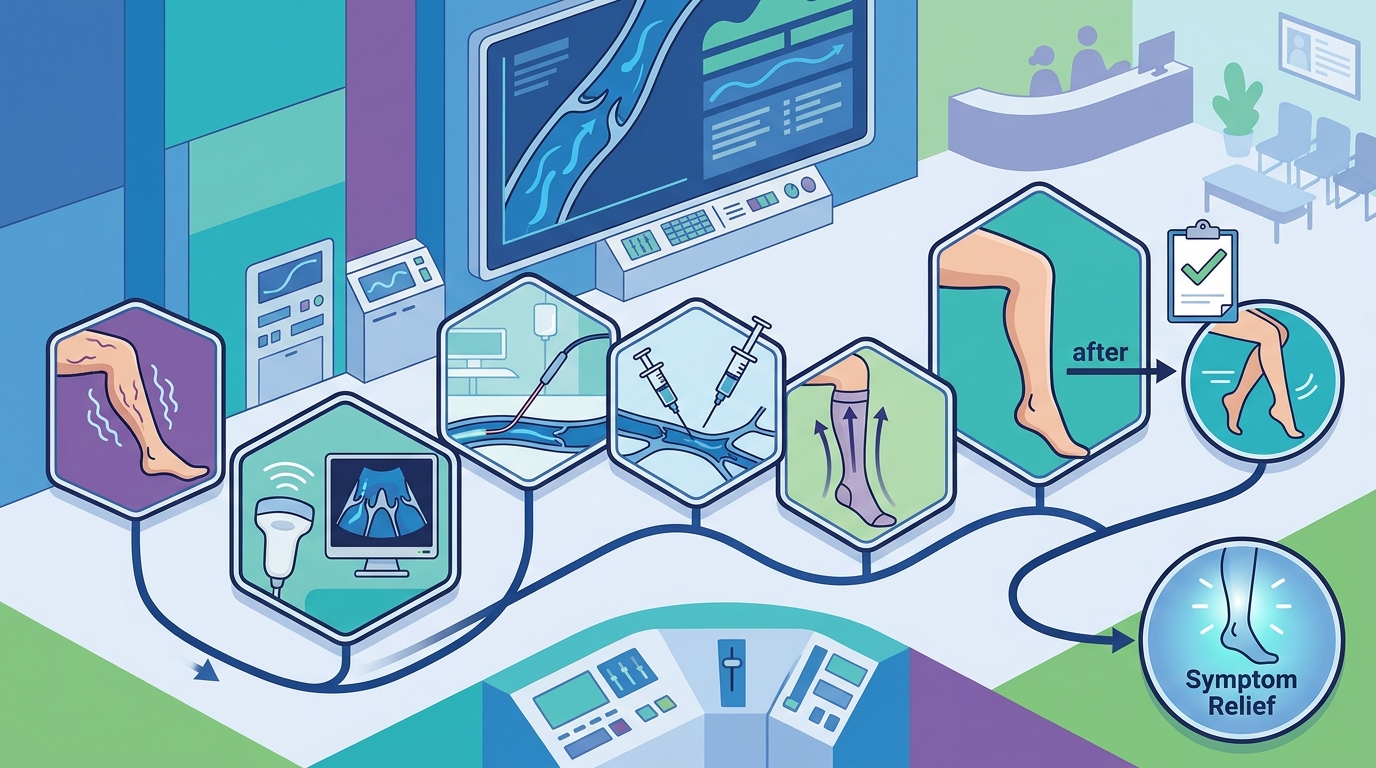
The initial phase focuses on confirming the connection between venous disease and restless leg symptoms. This stage usually takes one to two weeks. During this period, we perform a comprehensive venous ultrasound to map out any incompetent valves or reflux in the superficial and deep veins. Establishing a baseline is critical because it allows us to measure progress objectively. We also assess iron levels, as low ferritin can exacerbate RLS symptoms regardless of vein health. This diagnostic clarity ensures that the treatment plan addresses the root cause rather than just the symptoms.
Phase Two: Minimally Invasive Vein Therapy
Once the diagnosis is confirmed, we proceed with minimally invasive procedures such as radiofrequency ablation or VenaSeal. These treatments are typically completed in a single office visit, lasting approximately 30 to 60 minutes. The procedure itself is quick, but the biological healing process begins immediately. Patients often notice a reduction in leg heaviness and swelling within the first 48 hours. This rapid initial response is a positive indicator that the venous pressure is being relieved. The focus here is on precision and patient comfort, ensuring the procedure is as seamless as possible.
Phase Three: Early Symptom Relief and Monitoring
The first two to four weeks post-procedure are crucial for monitoring early improvements. Many patients report a significant decrease in the urge to move their legs during the evening hours. This phase involves regular check-ins to track symptom severity using standardized scales. We monitor for any residual reflux and ensure that the treated veins are closing properly. If symptoms persist, we may adjust the treatment plan to address any remaining tributaries. This active monitoring phase helps us fine-tune the approach for optimal long-term results.
Phase Four: Long-Term Stabilization and Maintenance
Full stabilization of venous health typically occurs between three and six months after the initial treatment. During this period, the body completes the remodeling of the venous system, and any remaining symptoms usually fade. We emphasize lifestyle modifications such as regular walking and compression therapy to support vein health. This long-term phase is about maintaining the gains achieved during the acute treatment period. Patients are encouraged to stay engaged with their care team to prevent recurrence. The goal is to achieve a stable, symptom-free state that lasts for years.
Key Takeaways
- Diagnostic evaluation takes one to two weeks to confirm the link between veins and RLS.
- Minimally invasive procedures are completed in a single 30 to 60 minute visit.
- Early symptom relief is often noticeable within the first two to four weeks.
- Full venous stabilization occurs between three and six months post-treatment.
- Regular monitoring and lifestyle changes are essential for long-term success.
- Iron levels should be checked and managed as part of the overall care plan.
Frequently Asked Questions
How long does it take to see results from vein treatment for RLS?
Most patients notice a reduction in symptoms within the first two to four weeks. Full stabilization may take up to six months as the venous system remodels.
Is vein treatment a cure for restless legs syndrome?
Vein treatment addresses the vascular component of RLS. It can significantly reduce symptoms, but RLS is a complex condition that may require ongoing management.
What procedures are used to treat vein-related RLS?
We use minimally invasive techniques like radiofrequency ablation and VenaSeal. These procedures are safe, effective, and have minimal downtime.
Do I need to take medication during the treatment timeline?
Medication may be prescribed for pain or to manage symptoms during the healing phase. We tailor the medication plan to your specific needs.
How often do I need follow-up appointments?
Follow-up appointments are typically scheduled at two weeks, one month, and three months. Additional visits may be needed if symptoms persist.
Can I return to normal activities immediately after the procedure?
Yes, most patients can resume light activities immediately. We recommend walking to promote circulation and avoid prolonged sitting.