

Varicose veins affect approximately 23% of adults in the United States, according to data from the American Venous Forum. This statistic highlights that vein disease is not merely a cosmetic concern but a widespread medical condition requiring professional intervention. Ignoring these symptoms can lead to complications such as deep vein thrombosis or chronic venous insufficiency. At Truffles Vein Specialists, we prioritize advanced diagnostic precision to ensure every patient receives a tailored treatment plan. This guide outlines the critical steps from initial screening to recovery, helping you understand your options for achieving healthier legs.
Understanding the Diagnostic Process
Before any treatment begins, a comprehensive vascular assessment is mandatory. Vein disease is a progressive condition where valves in the veins weaken, allowing blood to pool. This pooling increases pressure and causes the veins to enlarge and become visible. At Truffles Vein Specialists, we utilize state-of-the-art venous duplex ultrasound technology to map the venous system. This non-invasive imaging allows our specialists to identify the exact source of reflux, whether it is in the superficial or deep venous system. (Best Vein Center in)
The diagnostic phase typically involves a physical exam and a detailed medical history review. Our team, including certified vascular technologists, performs a venous reflux ultrasound to measure blood flow direction. This step is crucial because treating the wrong vein can lead to recurrence. According to the Society for Vascular Surgery, accurate diagnosis via ultrasound is the gold standard for determining the appropriate intervention. Patients in Georgia, including those in Atlanta, Fayetteville, and Peachtree City, benefit from this rigorous standard of care. (Medical Vein Center Vein)
Comparing Modern Treatment Modalities
Once the underlying cause is identified, several outpatient procedures are available. The choice depends on the size of the vein, its location, and the patient's medical history. Below is a comparative overview of the primary treatments offered at our centers. (Varicose Vein News in)
| Treatment Method | Best For | Anesthesia Type | Recovery Time |
|---|---|---|---|
| VenaSeal | Great Saphenous Vein | None (Medical Adhesive) | Immediate |
| Radio-Frequency Closure | Large Truncal Veins | Tumescent Local | 1-2 Days |
| Foam Sclerotherapy | Medium Veins | None | Immediate |
| Varithena | Varicose Veins | None | Immediate |
The VenaSeal Procedure Explained
VenaSeal represents a significant advancement in minimally invasive vein treatment. VenaSeal is a cyanoacrylate-based medical adhesive that seals the diseased vein from the inside. Unlike traditional methods, this procedure does not require tumescent anesthesia, which involves injecting large volumes of fluid around the vein to numb the area. This results in significantly less post-procedure pain and bruising.
The procedure is performed in our outpatient clinic. The specialist inserts a catheter into the vein under ultrasound guidance. Once positioned, the adhesive is delivered in small increments. The vein collapses and is eventually reabsorbed by the body. According to clinical studies published in the Journal of Vascular Surgery, patient satisfaction with VenaSeal is exceptionally high due to the lack of compression stockings requirement. This makes it an ideal option for patients seeking the fastest return to daily activities.
Radio-Frequency Closure Details
Radio-Frequency Closure (RFA) is a time-tested, highly effective treatment for large varicose veins. Radio-Frequency Closure is a thermal ablation technique that uses heat energy to collapse and seal the vein. During the procedure, a catheter is inserted into the affected vein. The tip of the catheter emits radiofrequency energy, heating the vein wall and causing it to shrink and close.
Tumescent anesthesia is used to protect the surrounding tissue from heat and to provide comfort. The procedure typically takes about 30 to 45 minutes. Patients are advised to wear compression stockings for a specified period, usually one to two weeks, to support healing. Data from the American College of Phlebology indicates that RFA has a success rate exceeding 95% for treating chronic venous insufficiency. Our specialists in Newnan and Griffin utilize this technology to ensure durable, long-term results.
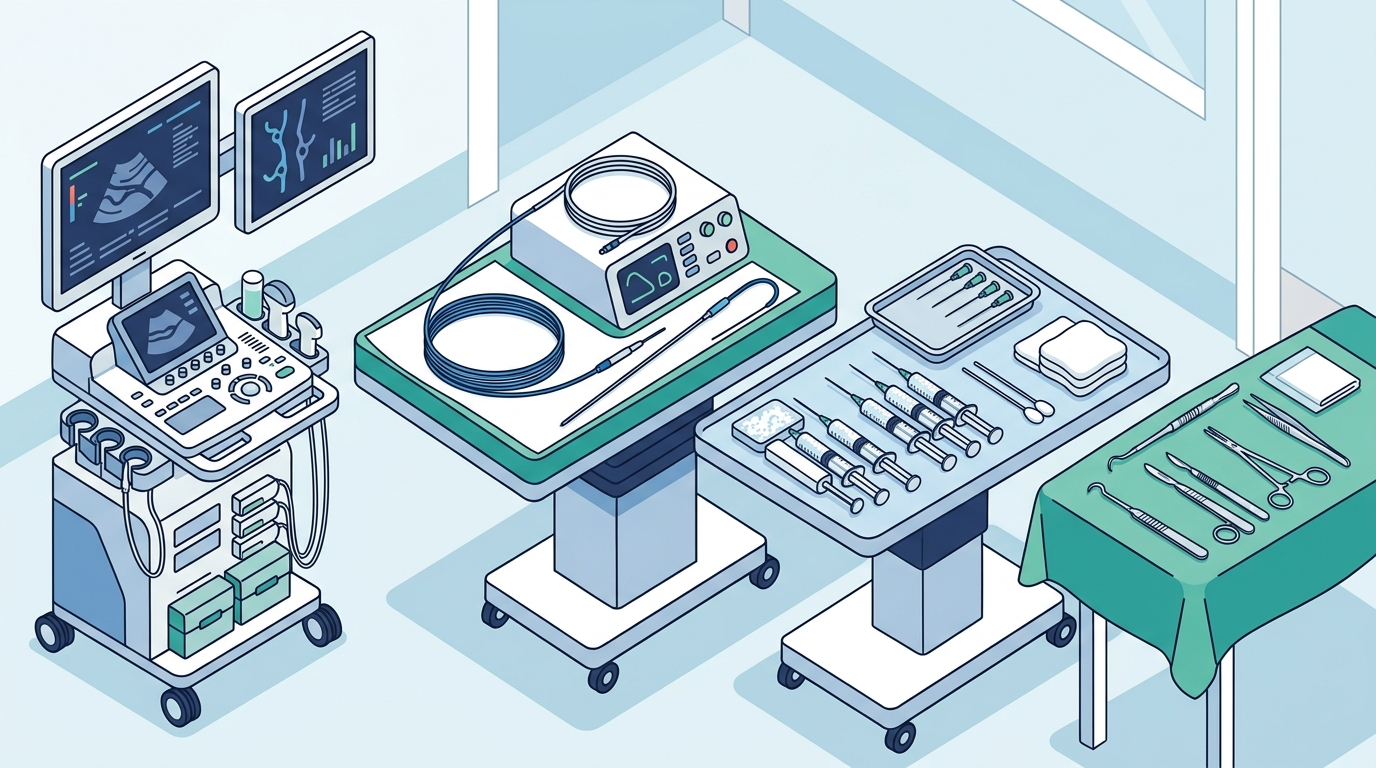
Sclerotherapy for Spider and Varicose Veins
Sclerotherapy remains the gold standard for treating smaller spider veins and smaller varicose veins. There are two primary types: Visible Sclerotherapy and Foam Sclerotherapy. Sclerotherapy is a procedure where a sclerosing agent is injected into the vein to irritate the lining and cause it to collapse.
In Visible Sclerotherapy, a liquid solution is injected directly into the vein. This is commonly used for fine spider veins on the legs. Foam Sclerotherapy involves mixing the sclerosing agent with air to create a foam. This foam displaces blood and allows for better contact with the vein wall, making it effective for larger varicose veins. Ultrasound-guided sclerotherapy is used when the veins are not visible to the naked eye but are detected via imaging. According to the American Academy of Dermatology, sclerotherapy is safe and effective for the vast majority of patients, with minimal downtime.
Post-Procedure Recovery and Care
Recovery varies depending on the treatment modality. For VenaSeal, patients can typically resume normal activities immediately. For RFA and sclerotherapy, walking is encouraged to promote blood flow and prevent clotting. Compression therapy is a critical component of post-treatment care that supports vein closure. Our team provides detailed post-procedure instructions tailored to your specific treatment.
Patients are advised to avoid strenuous exercise, hot tubs, and prolonged standing for a specified period. Follow-up appointments are scheduled to monitor progress via ultrasound. At Truffles Vein Specialists, we emphasize that consistent follow-up ensures the best possible outcome. Our patients in Carrollton and West Cobb benefit from our comprehensive care model, which includes ongoing support and education.
Key Takeaways
- Diagnostic Precision: Venous duplex ultrasound is essential for mapping reflux and planning treatment.
- VenaSeal Benefits: Offers a needle-free anesthesia experience with immediate recovery for many patients.
- RFA Efficacy: Provides a 95%+ success rate for large truncal vein closure.
- Sclerotherapy Versatility: Effective for both visible spider veins and deeper varicose veins via foam or ultrasound guidance.
- Georgia's Premier Care: Truffles Vein Specialists is the largest independently owned vein practice in Georgia.
- Expert Team: Led by Dr. Paul Feldman, our team includes certified vascular technologists and advanced practitioners.
- Multiple Locations: Services available in Atlanta, Fayetteville, Peachtree City, and surrounding areas.
Frequently Asked Questions
Is varicose vein treatment covered by insurance?
Many insurance plans cover vein treatment if it is deemed medically necessary due to symptoms like pain, swelling, or skin changes. Cosmetic treatments for spider veins are typically not covered. Our team can help verify your benefits.
How long does a VenaSeal procedure take?
The VenaSeal procedure is quick, usually taking between 30 to 45 minutes. Most patients leave the clinic and return to work the same day.
Do I need to wear compression stockings after treatment?
Compression stockings are required for RFA and sclerotherapy to ensure proper healing. VenaSeal patients may not need them, but this depends on the specific case and physician recommendation.
What is the difference between foam and visible sclerotherapy?
Visible sclerotherapy uses a liquid solution for small, surface-level veins. Foam sclerotherapy uses a foamed solution that is effective for larger, deeper veins and is often guided by ultrasound.
Can varicose veins come back after treatment?
While treated veins are permanently closed, new veins can develop over time due to genetics or lifestyle factors. Maintaining a healthy weight and exercising can reduce the risk of recurrence.
Is the procedure painful?
Most patients report minimal discomfort. VenaSeal eliminates the need for tumescent anesthesia, reducing pain. RFA uses local anesthesia, and sclerotherapy involves only a small needle prick.
How soon can I exercise after treatment?
Light walking is encouraged immediately. Strenuous exercise, such as running or heavy lifting, should be avoided for 1-2 weeks, depending on the treatment type.
Schedule Your Consultation
Do not let varicose veins limit your life. Take the first step toward healthier legs by scheduling a free vein screening with Truffles Vein Specialists. Our expert team is ready to provide a personalized treatment plan tailored to your needs. Click here to schedule your appointment today and experience Georgia's most trusted vein care.