
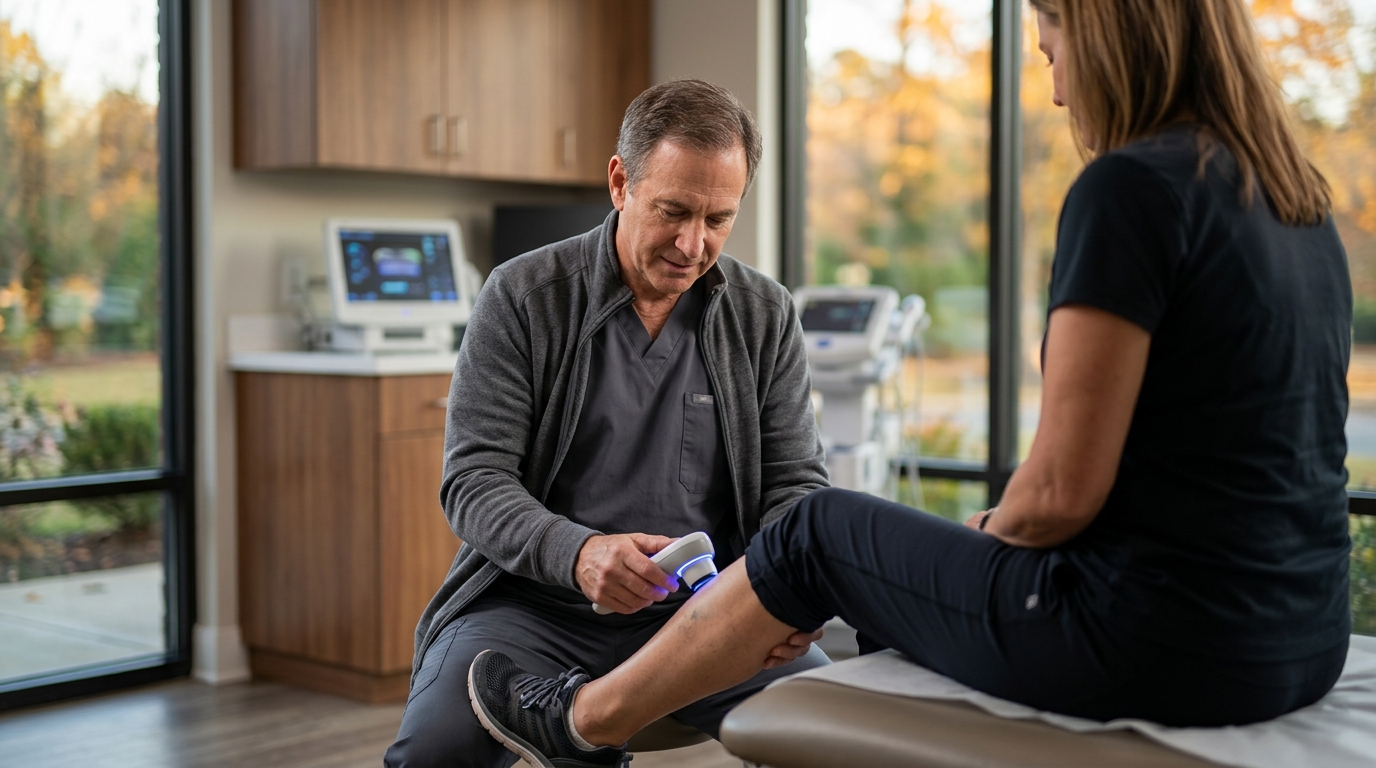
The Evolution of Vein Disease Treatment: From Sclerotherapy to VenaSeal
Vein disease is a progressive condition that affects millions of individuals across the United States, yet the methods used to diagnose and treat it have undergone a radical transformation over the last few decades. According to the American Venous Forum, chronic venous insufficiency impacts approximately 25% of adults in the U.S., highlighting the critical need for effective, minimally invasive solutions. The journey from painful, invasive surgeries to today's needle-free, glue-based therapies represents one of the most significant medical advancements in vascular health. This guide explores that evolution, detailing how Truffles Vein Specialists and other leading centers have adopted cutting-edge technologies to improve patient outcomes and comfort. (Experts in Vein Treatment)
Historical Context of Vein Care
Decades ago, the standard treatment for varicose veins was high ligation and stripping. This invasive procedure required general or spinal anesthesia and involved physically pulling the diseased vein out through small incisions. The recovery process was notoriously painful, often requiring weeks of limited mobility and extensive compression therapy. While effective in removing the vein, the trauma to the surrounding tissue led to significant bruising and a longer return-to-work timeline. (Best Vein Center in)
As medical technology advanced, the focus shifted toward minimally invasive techniques that preserve the body's natural healing mechanisms. The goal became eliminating the diseased vein without damaging the surrounding nerves or tissues. This shift was driven by patient demand for faster recovery times and reduced discomfort. Today, the landscape of vein care is defined by precision diagnostics and targeted therapies that can be performed in an outpatient setting with little to no downtime. (Medical Vein Center Vein)
At Truffles Vein Specialists, we recognize that understanding this history helps patients appreciate the sophistication of modern treatments. Our team, led by renowned expert Dr. Paul Feldman, has witnessed this evolution firsthand, transitioning from older surgical methods to the advanced protocols we use today. This progression has not only improved patient satisfaction but has also expanded access to care for individuals who previously avoided treatment due to fear of surgery. (Medical Vein Center Vein)
The Sclerotherapy Revolution
Sclerotherapy remains a cornerstone of vein treatment, particularly for spider veins and smaller varicose veins. The concept involves injecting a solution directly into the vein, causing it to collapse and fade over time. While the basic principle has remained consistent, the formulation and delivery methods have evolved significantly. (Varicose Vein News in)
Visible Sclerotherapy was the original standard, using a liquid solution that was visible during injection. While effective, it often required multiple sessions and could cause temporary skin discoloration at the injection site. The introduction of Foam Sclerotherapy marked a major leap forward. By mixing the sclerosing agent with air or gas, doctors create a foam that displaces blood more effectively, allowing for better contact with the vein wall. This technique is particularly useful for larger veins that are too big for liquid solutions.
Further refinement led to Ultrasound Guided Sclerotherapy. This method uses real-time imaging to guide the needle into deeper veins, ensuring accurate delivery of the foam. This precision reduces the risk of complications and improves long-term success rates. For patients seeking treatment for spider veins, this evolution means more predictable results with fewer side effects.
The evolution of sclerotherapy demonstrates a clear trend toward greater precision and patient comfort. By leveraging advanced imaging and foam technology, specialists can treat a wider range of vein sizes and types with minimal discomfort. This approach is often the first line of defense for cosmetic concerns and early-stage venous insufficiency.
The Thermal Ablation Era
The introduction of thermal ablation technologies, specifically Radio-Frequency Closure (RFA) and Laser Vein Ablation, revolutionized the treatment of larger varicose veins. These techniques use heat energy to seal the diseased vein shut, redirecting blood flow to healthier veins. The process is guided by ultrasound, ensuring precise targeting of the problem area.
Radio-Frequency Closure works by inserting a catheter into the vein and delivering controlled thermal energy. This heat causes the vein walls to collapse and adhere together, effectively closing the vessel. The procedure is typically performed under local anesthesia, allowing patients to walk out of the office immediately. Studies indicate that RFA has a high success rate with lower rates of complications compared to traditional stripping.
Laser Vein Ablation operates on a similar principle but uses laser energy instead of radiofrequency. The laser fiber is inserted into the vein, and light energy is emitted to heat and seal the vein from the inside out. Both RFA and laser ablation offer significant advantages over surgery, including smaller incisions, less pain, and faster recovery times. These treatments are ideal for patients with varicose veins that cause pain, swelling, or cosmetic concerns.
The adoption of thermal ablation marked a turning point in vascular medicine. It proved that minimally invasive techniques could be just as effective as surgery, if not more so, in terms of patient experience. This era established the standard for endovenous treatments, paving the way for even more advanced technologies like VenaSeal.
The VenaSeal Innovation
Perhaps the most significant recent advancement in vein treatment is VenaSeal. This system uses a medical-grade adhesive to seal the diseased vein, eliminating the need for thermal energy entirely. This "needle-free" approach (in terms of tumescent anesthesia) is a game-changer for patients who are sensitive to pain or have anatomical challenges that make thermal ablation difficult.
VenaSeal works by injecting a small amount of cyanoacrylate-based adhesive into the vein. The adhesive bonds the vein walls together, causing the vein to close and eventually be reabsorbed by the body. Because no heat is used, there is no risk of thermal injury to surrounding nerves, which can cause temporary or permanent numbness in the leg. This is a critical advantage, particularly for veins located close to the skin surface.
Patients undergoing VenaSeal treatment often report less pain during and after the procedure compared to thermal ablation. Many do not require post-procedure compression stockings, which adds to the convenience and comfort of the treatment. This innovation is particularly beneficial for those with leg swelling or those who find compression therapy uncomfortable. The ability to treat veins without tumescent anesthesia also reduces the time required for the procedure, making it a highly efficient option for busy patients.
The introduction of VenaSeal represents the latest stage in the evolution of vein care. It combines the efficacy of ablation with the comfort of non-thermal techniques. At Truffles Vein Specialists, we offer VenaSeal as a premier option for patients seeking the most advanced and comfortable treatment available. This technology underscores our commitment to providing the highest standard of care.
Comparing Modern Treatment Options
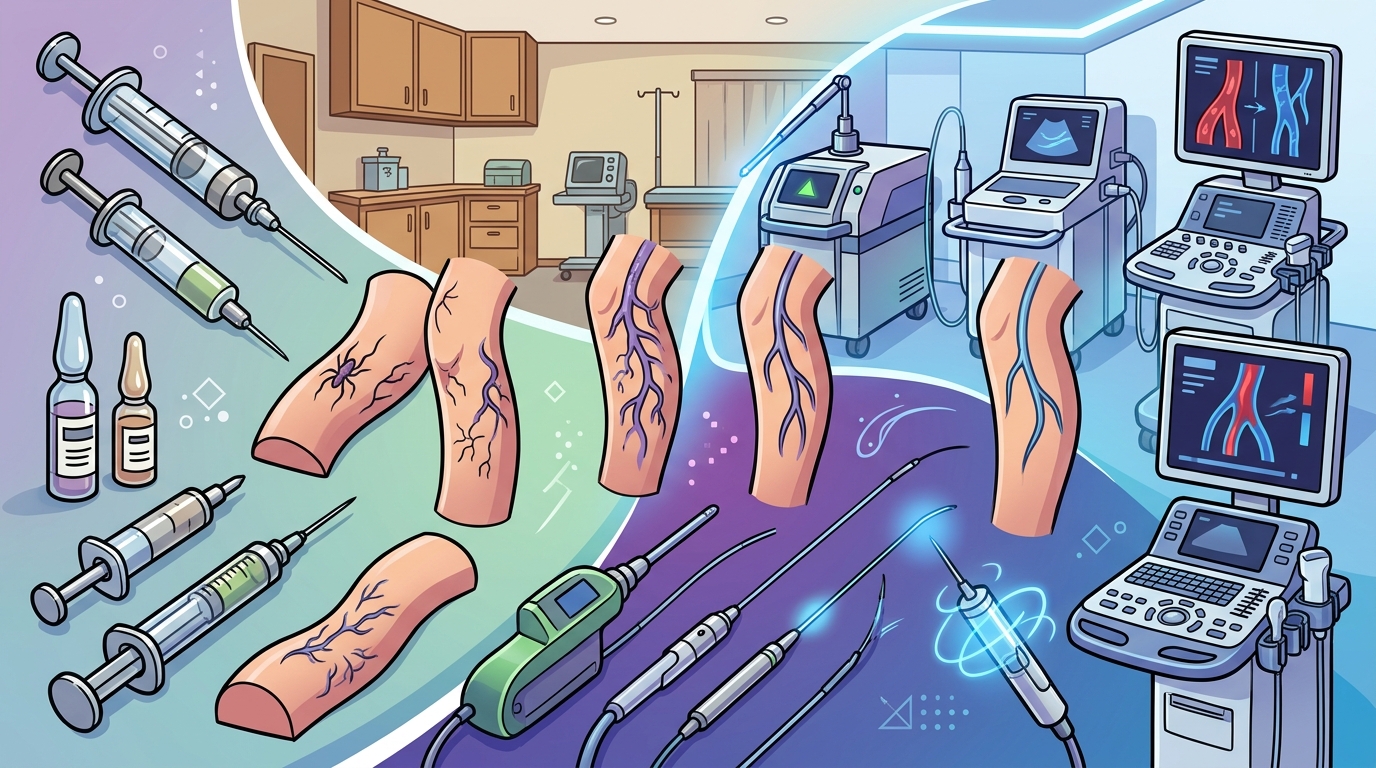
Choosing the right treatment depends on the specific characteristics of your vein disease, including the size, location, and severity of the affected veins. Below is a comparison of the primary modern treatment modalities to help you understand the differences.
| Treatment Type | Technology Used | Anesthesia Required | Compression Stockings | Best For |
|---|---|---|---|---|
| VenaSeal | Medical Adhesive | Minimal (No Tumescent) | Often Not Required | Pain-sensitive patients, superficial veins |
| Radio-Frequency Closure | Thermal Energy (Heat) | Tumescent Anesthesia | Required (1-2 weeks) | Larger truncal veins, proven efficacy |
| Laser Vein Ablation | Laser Energy (Heat) | Tumescent Anesthesia | Required (1-2 weeks) | Veins close to skin, cosmetic concerns |
| Foam Sclerotherapy | Chemical Sclerosant | None | Variable | Spider veins, smaller varicose veins |
| Varithena | Polydocanol Foam | None | Required | Great Saphenous Vein, non-thermal |
Each of these treatments has its own set of indications and benefits. For example, Varithena is a newer foam-based treatment that offers a non-thermal alternative for the great saphenous vein, similar to VenaSeal but with a different mechanism. The choice between these options should be made in consultation with a vascular specialist who can perform a comprehensive ultrasound evaluation.
Understanding these differences is crucial for making an informed decision. While thermal ablation has been the gold standard for years, the emergence of non-thermal options like VenaSeal and Varithena provides patients with more choices tailored to their specific needs and comfort levels. Truffles Vein Specialists evaluates each patient individually to recommend the most appropriate treatment plan.
The Role of Diagnostic Precision
The evolution of treatment is inextricably linked to the evolution of diagnosis. Before any treatment can be planned, a thorough vascular testing is required. Venous reflux ultrasound is the gold standard for diagnosing venous insufficiency. This non-invasive test uses sound waves to create images of the veins and assess blood flow.
Accurate diagnosis is critical because treating the wrong vein can lead to recurrence of symptoms. The ultrasound allows specialists to map the entire venous system, identifying not just the visible varicose veins but also the underlying source of the reflux. This detailed mapping ensures that the treatment plan addresses the root cause of the problem, not just the symptoms.
At Truffles Vein Specialists, we utilize advanced duplex ultrasound technology to ensure precise diagnosis. Our team, including certified vascular technologists, performs comprehensive exams to evaluate the deep and superficial venous systems. This level of diagnostic precision is what allows us to confidently offer a range of treatments, knowing exactly which vein needs to be treated and which method will be most effective.
Without accurate diagnosis, even the most advanced treatment can fail. The integration of high-quality imaging with modern therapeutic techniques has significantly improved long-term outcomes for patients with vein disease. This synergy between diagnosis and treatment is a hallmark of modern vascular care.
Key Takeaways
- Historical Shift: Treatment has evolved from invasive stripping to minimally invasive, outpatient procedures with faster recovery times.
- Sclerotherapy Advances: Foam and ultrasound-guided sclerotherapy have improved efficacy for smaller veins and reduced side effects.
- Thermal Ablation: Radio-frequency and laser ablation became the standard for larger veins, offering high success rates with minimal downtime.
- VenaSeal Innovation: The use of medical adhesive eliminates the need for heat and tumescent anesthesia, reducing pain and recovery time.
- Diagnostic Importance: Venous reflux ultrasound is essential for accurate mapping and successful treatment planning.
- Personalized Care: Treatment choice depends on individual vein anatomy, with options ranging from thermal to non-thermal techniques.
- Expert Leadership: Georgia's premier vein center, led by Dr. Paul Feldman, continues to adopt the latest technologies for optimal patient outcomes.
Frequently Asked Questions
What is the difference between VenaSeal and traditional ablation?
VenaSeal uses a medical adhesive to seal the vein, whereas traditional ablation uses thermal energy (heat) from radiofrequency or lasers. VenaSeal typically requires less anesthesia and no compression stockings, leading to a more comfortable recovery.
Is sclerotherapy still effective for varicose veins?
Yes, particularly foam sclerotherapy and ultrasound-guided sclerotherapy are effective for smaller varicose veins and spider veins. However, for larger truncal veins, ablation techniques like VenaSeal or RFA are often preferred for more durable results.
How does venous reflux ultrasound help in treatment?
Venous reflux ultrasound maps the blood flow in your veins, identifying the exact source of the malfunction. This precise diagnosis ensures that the treatment targets the root cause, preventing recurrence and ensuring long-term success.
Who is a good candidate for VenaSeal?
VenaSeal is ideal for patients with varicose veins who want to avoid heat-based treatments, have sensitive skin, or wish to skip the use of compression stockings. It is particularly beneficial for treating superficial veins close to the skin.
What are the benefits of minimally invasive vein treatment?
Minimally invasive treatments offer several benefits, including reduced pain, minimal scarring, faster recovery times, and the ability to perform the procedure in an outpatient setting without general anesthesia.
How long does it take to recover from vein treatment?
Recovery times vary by treatment. Most patients can return to normal activities within 24 hours. Those undergoing thermal ablation may need to wear compression stockings for a week or two, while VenaSeal patients often have fewer restrictions.
Can vein disease be cured?
While vein disease is a chronic condition, the symptoms and visible signs can be effectively treated. Successful treatment closes the diseased veins, redirecting blood flow to healthy veins and relieving symptoms like pain and swelling.
Schedule Your Consultation
The evolution of vein treatment has made it easier and more comfortable than ever to address venous insufficiency. If you are experiencing symptoms such as leg pain, swelling, or visible varicose veins, do not wait for the condition to worsen. Early intervention leads to better outcomes and improved quality of life. Contact Truffles Vein Specialists today to schedule your free vein screening. Our team of experts is ready to provide you with a personalized treatment plan using the most advanced technologies available. Visit our free vein screening page to learn more about how we can help you look and feel your best.