
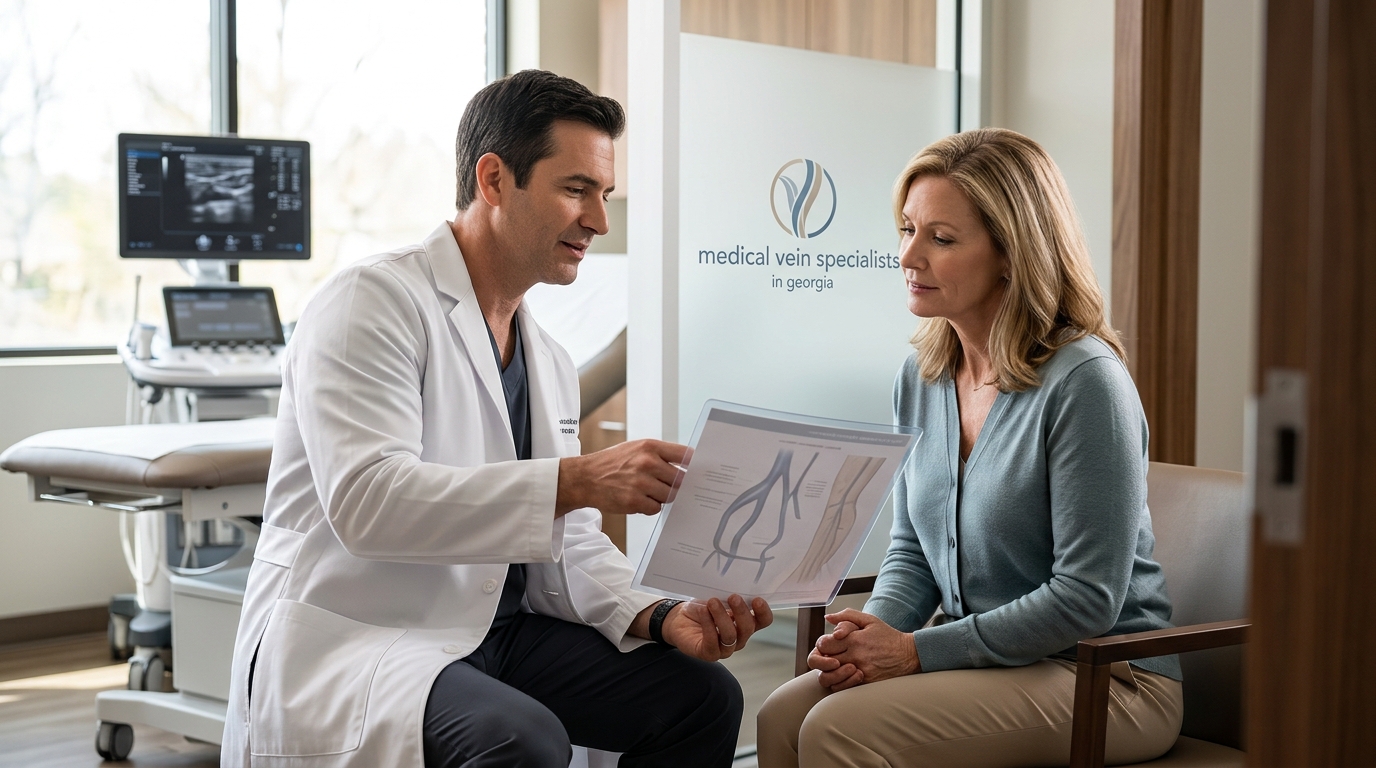
Vein disease affects millions of people across the United States, yet many patients delay treatment due to confusion about available options. According to the American Vein and Lymphatic Society, over 20 million Americans suffer from varicose veins, and the demand for minimally invasive treatments has surged in recent years. Understanding the mechanical differences between sclerotherapy and laser vein ablation is critical for making an informed decision about your vascular health. At Truffles Vein Specialists, we utilize advanced diagnostic tools to determine the most effective path for each patient's unique anatomy. (Experts in Vein Treatment)
Mechanism Differences
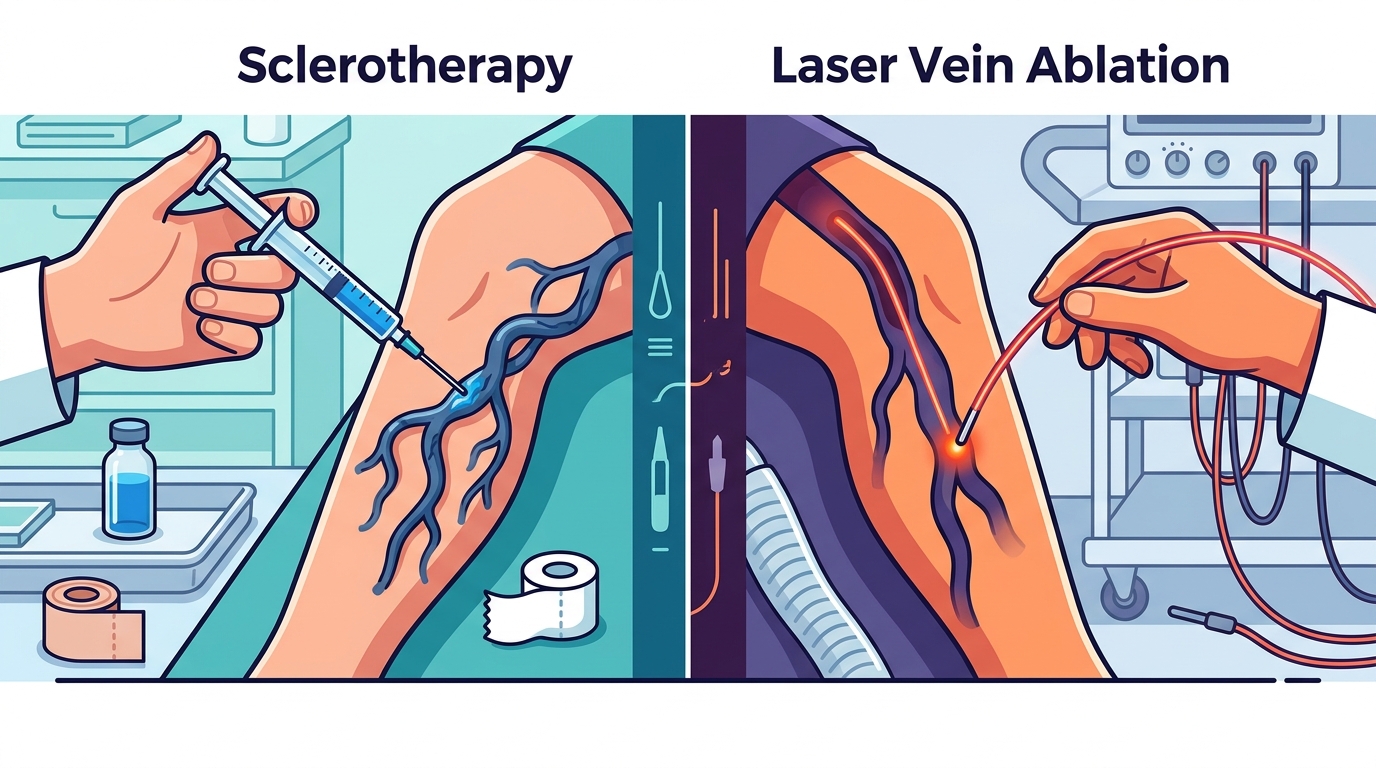
The fundamental difference lies in how each treatment targets the problematic veins. Sclerotherapy is a chemical approach. It involves injecting a specialized solution directly into the vein. This solution irritates the vein lining, causing it to collapse and seal shut. Over time, the body naturally absorbs the treated vein, redirecting blood flow to healthier vessels. This method is particularly effective for smaller veins and spider veins. (Best Vein Center in)
Laser vein ablation, often referred to as endovenous laser treatment (EVLT), uses thermal energy. A thin laser fiber is inserted into the vein under ultrasound guidance. The laser emits heat energy that collapses the vein from the inside out. This technique is typically reserved for larger varicose veins, such as the great saphenous vein. The heat causes the vein walls to stick together and eventually fibrose.
Both methods rely on the body's natural healing processes. However, the delivery mechanism dictates which veins can be treated safely. Sclerotherapy requires precise injection techniques to avoid tissue damage. Laser ablation requires careful thermal control to protect surrounding nerves and skin.
Ideal Candidates
Not every vein condition responds equally to both treatments. Your vascular specialist at Truffles Vein Specialists will evaluate your venous reflux to determine the best course of action. The choice often depends on the size, location, and severity of the veins.
When Sclerotherapy is Preferred
Sclerotherapy is the gold standard for cosmetic concerns. It is ideal for spider veins on the legs and face. It is also used for smaller varicose veins that are not suitable for catheter insertion. Foam sclerotherapy, a variation of this technique, allows for the treatment of slightly larger veins by creating a foam that displaces blood more effectively.
When Laser Ablation is Preferred
Laser ablation is the preferred treatment for large, symptomatic varicose veins. If you experience leg heaviness, swelling, or pain due to venous insufficiency, laser treatment often provides more durable results for large truncal veins. It is highly effective for treating the source of the reflux rather than just the visible surface symptoms.
Procedure Experience
Both procedures are performed in an outpatient setting. You do not need to be admitted to a hospital. The experience differs in terms of sensation and duration.
Sclerotherapy sessions are typically quick. A single session may take 15 to 30 minutes. The doctor uses a very fine needle to inject the solution. Patients often report a slight burning or stinging sensation during the injection. Multiple sessions are usually required to clear all visible veins, spaced several weeks apart.
Laser vein ablation is a more involved procedure. It usually takes 30 to 60 minutes. The doctor numbs the area with local anesthesia before inserting the laser fiber. You may feel pressure or warmth during the treatment. The procedure is guided by real-time ultrasound to ensure accuracy. Local anesthesia is standard, but some patients opt for mild sedation depending on their anxiety levels.
Recovery Comparison
Recovery is a major factor in choosing between these two treatments. Both offer minimal downtime compared to traditional vein stripping surgery.
After sclerotherapy, you can usually resume normal activities immediately. However, you must wear compression stockings for a specified period, often one to two weeks. Walking is encouraged to promote blood flow. You should avoid strenuous exercise and hot tubs for a few days. Bruising and slight discoloration at the injection sites are common and temporary.
Recovery from laser ablation is also rapid. Most patients walk out of the clinic and return to work the next day. Compression stockings are worn for a longer duration, typically two to four weeks. You may experience tightness or bruising along the treated vein. Numbness around the treatment site is common but usually resolves within a few months. The success rate for laser ablation in closing large veins is exceptionally high, often exceeding 95% in clinical studies.
Cost and Insurance
Cost is a significant consideration for many patients. The pricing structure differs based on the complexity of the case.
Sclerotherapy is often considered cosmetic if treating spider veins. Insurance may not cover these sessions. However, if the treatment is medically necessary for symptomatic varicose veins, coverage may apply. The cost per session varies based on the number of areas treated.
Laser ablation is frequently covered by insurance if it is deemed medically necessary to treat venous insufficiency. You must meet specific criteria, such as documented reflux on ultrasound. The upfront cost is higher than sclerotherapy, but it may be a one-time cost for the large vein, whereas sclerotherapy may require multiple sessions for cosmetic clearance.
| Feature | Sclerotherapy | Laser Vein Ablation |
|---|---|---|
| Primary Use | Spider veins, small varicose veins | Large varicose veins, venous insufficiency |
| Method | Chemical injection | Thermal laser energy |
| Downtime | Minimal | Minimal |
| Compression Stockings | 1-2 weeks | 2-4 weeks |
| Typical Sessions | Multiple | Usually one |
Key Takeaways
- Sclerotherapy uses chemical solutions to collapse small veins and spider veins.
- Laser vein ablation uses thermal energy to seal large, symptomatic varicose veins.
- Both procedures are minimally invasive with rapid recovery times.
- Compression stockings are required after both treatments to ensure success.
- Insurance often covers laser ablation for medical necessity but may deny sclerotherapy for cosmetic reasons.
- Truffles Vein Specialists offers both treatments to address the full spectrum of venous disease.
- Accurate diagnosis via venous ultrasound is the first step in determining the correct treatment.
Frequently Asked Questions
Which treatment is more painful?
Most patients find sclerotherapy to be less painful than laser ablation. Sclerotherapy involves needle pricks, which cause brief stinging. Laser ablation involves local anesthesia, so you should not feel pain during the procedure, though you may feel pressure.
Can I combine both treatments?
Yes, many patients benefit from a combination approach. Laser ablation treats the underlying large vein insufficiency, while sclerotherapy cleans up the remaining spider veins and smaller varicosities. This staged approach often yields the best cosmetic and functional results.
How long do the results last?
Both treatments are considered permanent for the veins that are successfully treated. However, new veins can develop over time due to genetics, age, and lifestyle factors. Maintaining a healthy weight and exercising regularly can help prevent new vein issues.
Is sclerotherapy safe for all skin types?
Sclerotherapy is generally safe for all skin types. However, patients with darker skin tones may experience temporary hyperpigmentation at the injection sites. This discoloration usually fades within several months. Your provider can adjust the solution concentration to minimize this risk.
What is the success rate of laser vein ablation?
Laser vein ablation has a high success rate, often cited above 95% for closing the targeted vein. It is considered the gold standard for treating large truncal veins in modern vascular medicine.
Do I need a referral for a vein screening?
At Truffles Vein Specialists, we accept self-referrals. You can schedule a free vein screening directly through our website or by calling our office. We do not require a doctor's referral to begin your evaluation.
How soon can I exercise after treatment?
Light walking is encouraged immediately after both procedures. Strenuous exercise, such as running or heavy lifting, should be avoided for about one to two weeks, depending on your provider's specific instructions and the extent of the treatment.
Schedule Your Consultation
Do not let vein disease impact your quality of life. Whether you need sclerotherapy for cosmetic improvement or laser ablation for medical relief, expert care is available. Truffles Vein Specialists is Georgia's premier vein treatment center, offering advanced diagnostic precision and compassionate care. Visit our free vein screening page to learn more about your options. Contact us today to schedule an appointment and take the first step toward healthier legs.