

Understanding the diagnostic process is the first step toward reclaiming your comfort and mobility. According to the Centers for Disease Control and Prevention (CDC), venous disease affects millions of adults in the United States, with venous insufficiency being a primary driver of chronic leg swelling and pain. At Truffles Vein Specialists, we prioritize patient education to ensure you feel confident and informed before your venous reflux ultrasound appointment. This non-invasive imaging technique is the gold standard for diagnosing vein disease, allowing our specialists to map your venous system with precision.
Preparation and Arrival
One of the most common questions patients ask is whether they need to fast or take special medications before their exam. The answer is generally no. A venous reflux ultrasound is a non-invasive procedure that requires no sedation or dietary restrictions. You can eat and drink normally before your appointment. However, wearing loose, comfortable clothing is highly recommended. This allows easy access to your legs and ensures you can change into a gown if necessary without discomfort.
When you arrive at our clinic in Atlanta, you will check in with our administrative team. They will verify your insurance information and collect any necessary co-pays. You may be asked to fill out a brief health history form. This helps our vascular specialists, such as Brian Sapp, RVT, RPhS, understand your medical background and any previous vein issues. It is important to be honest about any history of blood clots, recent surgeries, or current medications, especially blood thinners.
Our facility is designed to be welcoming and professional. We understand that medical exams can cause anxiety, so we take the time to explain every step. Our team includes certified vascular technologists who are experts in vascular testing. They are trained to perform the exam with care and efficiency, ensuring you feel safe throughout the process.
The Ultrasound Procedure
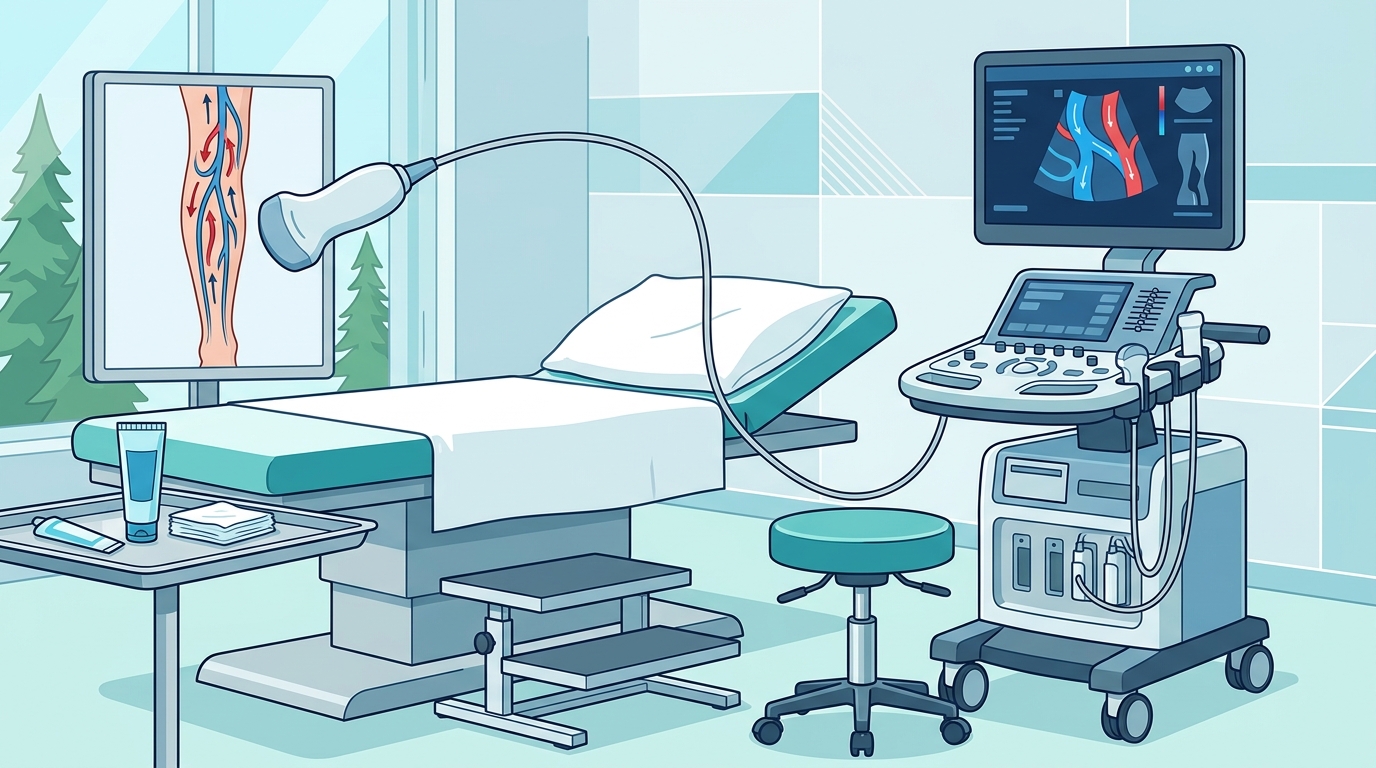
The core of the diagnostic process is the venous duplex ultrasound. This technology combines traditional ultrasound imaging with Doppler flow analysis. Venous duplex ultrasound allows doctors to see the structure of your veins and measure the speed and direction of blood flow simultaneously. This dual approach is critical for identifying where blood is flowing backward, a condition known as reflux.
Positioning and Gel Application
You will lie on an exam table, usually on your back. Depending on the area being examined, you may need to stand or change positions. Our technologist will apply a warm, water-based gel to your skin. This gel eliminates air pockets between the skin and the transducer, ensuring clear sound wave transmission. The gel is non-staining and easy to wipe off after the exam.
The Transducer and Compression
The technologist will use a handheld device called a transducer. They will glide this device over your legs, applying gentle pressure. This pressure is a key part of the exam. By compressing the veins, the technologist can assess their compressibility. Healthy veins collapse easily under pressure. Veins affected by deep vein thrombosis (DVT) or chronic scarring may not compress fully, which is a significant diagnostic clue.
As the transducer moves, you may hear a whooshing sound. This is the Doppler signal representing blood flow. The technologist may ask you to perform specific maneuvers, such as coughing or bearing down. These actions increase abdominal pressure, which helps demonstrate reflux in the pelvic and leg veins. It is a normal part of the process and helps us get a complete picture of your venous health.
Duration and Comfort
The entire exam typically takes between 30 to 60 minutes. The duration depends on the complexity of your case and the number of veins being evaluated. The procedure is painless for most patients. You might feel slight pressure from the transducer, but it should not be painful. If you experience any discomfort, please let the technologist know immediately. They can adjust their technique to ensure your comfort.
Understanding the Results
After the exam, the images are reviewed by a vascular specialist. The data is analyzed to determine the extent of venous insufficiency. Venous reflux is defined as the backward flow of blood due to faulty valves. This condition can lead to varicose veins, spider veins, and more serious complications like ulcers if left untreated.
Our specialists use a standardized classification system to stage your vein disease. This helps us determine the most appropriate treatment plan. The results are not just a snapshot of your current state but a roadmap for your future health. By identifying the exact source of the reflux, we can target treatment precisely, avoiding unnecessary procedures.
At Truffles Vein Specialists, we believe in transparent communication. We will discuss your results with you in detail. We will explain which veins are affected, the severity of the reflux, and what this means for your long-term health. We encourage you to ask questions and take notes during this discussion. Understanding your diagnosis is empowering.
Next Steps and Treatment
Once your diagnosis is confirmed, we will recommend a personalized treatment plan. Modern vein treatment has evolved significantly. We offer a range of minimally invasive options that are far superior to traditional surgery. These include radio-frequency closure, laser vein ablation, and VenaSeal closure system.
Each treatment option has specific indications based on your ultrasound findings. For example, VenaSeal uses a medical adhesive to seal the vein, eliminating the need for tumescent anesthesia. This can result in less post-procedure pain and faster recovery. Our team will guide you through the pros and cons of each option.
It is important to address vein disease promptly. Untreated venous insufficiency can lead to stasis dermatitis, skin discoloration, and painful ulcers. Early intervention can prevent these complications and improve your quality of life. Many patients report significant relief from leg heaviness and swelling after treatment.
Key Takeaways
- A venous reflux ultrasound is a non-invasive, painless procedure that typically lasts 30 to 60 minutes.
- No fasting or sedation is required, but wearing loose clothing is recommended for easy access.
- The exam uses Doppler technology to visualize blood flow and identify backward leakage (reflux) in your veins.
- Compression of the veins during the exam helps diagnose blood clots and assess vein wall health.
- Results are interpreted by certified vascular specialists to stage your vein disease accurately.
- Truffles Vein Specialists offers advanced treatments like VenaSeal and radio-frequency ablation for effective relief.
- Early diagnosis and treatment can prevent serious complications like ulcers and chronic swelling.
Frequently Asked Questions
Is the venous ultrasound exam painful?
No, the exam is generally painless. You may feel slight pressure from the transducer, but it should not cause pain. The technologist will communicate with you throughout the process to ensure your comfort.
How long does the exam take?
The procedure typically takes between 30 and 60 minutes. The exact time depends on the complexity of your case and the number of veins being evaluated.
Do I need to fast before the exam?
No, you do not need to fast. You can eat and drink normally before your appointment. There are no dietary restrictions for this test.
What happens if the exam shows a blood clot?
If a blood clot is detected, our team will take immediate steps to ensure your safety. We will discuss the findings with you and coordinate further care, which may include anticoagulation therapy or other interventions.
Can I drive home after the exam?
Yes, you can drive home. Since no sedation is used, you are free to resume your normal activities immediately after the exam. You may want to wear comfortable shoes for the drive home.
How accurate is the venous reflux ultrasound?
Venous duplex ultrasound is considered the gold standard for diagnosing venous disease. It is highly accurate in identifying the location and severity of reflux, allowing for precise treatment planning.
What treatments are available for venous insufficiency?
Treatments include minimally invasive options such as foam sclerotherapy, Varithena, radio-frequency closure, and VenaSeal. Your specialist will recommend the best option based on your ultrasound results.
Schedule Your Free Vein Screening Today
Do not let vein disease control your life. Early diagnosis is key to effective treatment and long-term health. At Truffles Vein Specialists, we are Georgia's premier vein treatment center, offering advanced diagnostic precision and compassionate care. We invite you to take the first step toward relief by scheduling your free vein screening today. Our team of experts is ready to help you look and feel your best. Contact us at 678-833-1444 or visit our contact page to book your appointment.