

Abdominal venous duplex scanning is a critical, non-invasive diagnostic tool used to evaluate blood flow in the major veins of the abdomen. This procedure helps physicians identify blockages, clots, or compression issues that can lead to serious health complications. According to the American College of Radiology, ultrasound imaging is the preferred first-line diagnostic method for venous disease due to its high accuracy and lack of radiation exposure. Understanding the preparation process ensures you get the most accurate results during your visit to a specialized vein center. (Duplex ultrasound MedlinePlus)
What Is an Abdominal Venous Duplex Scan?
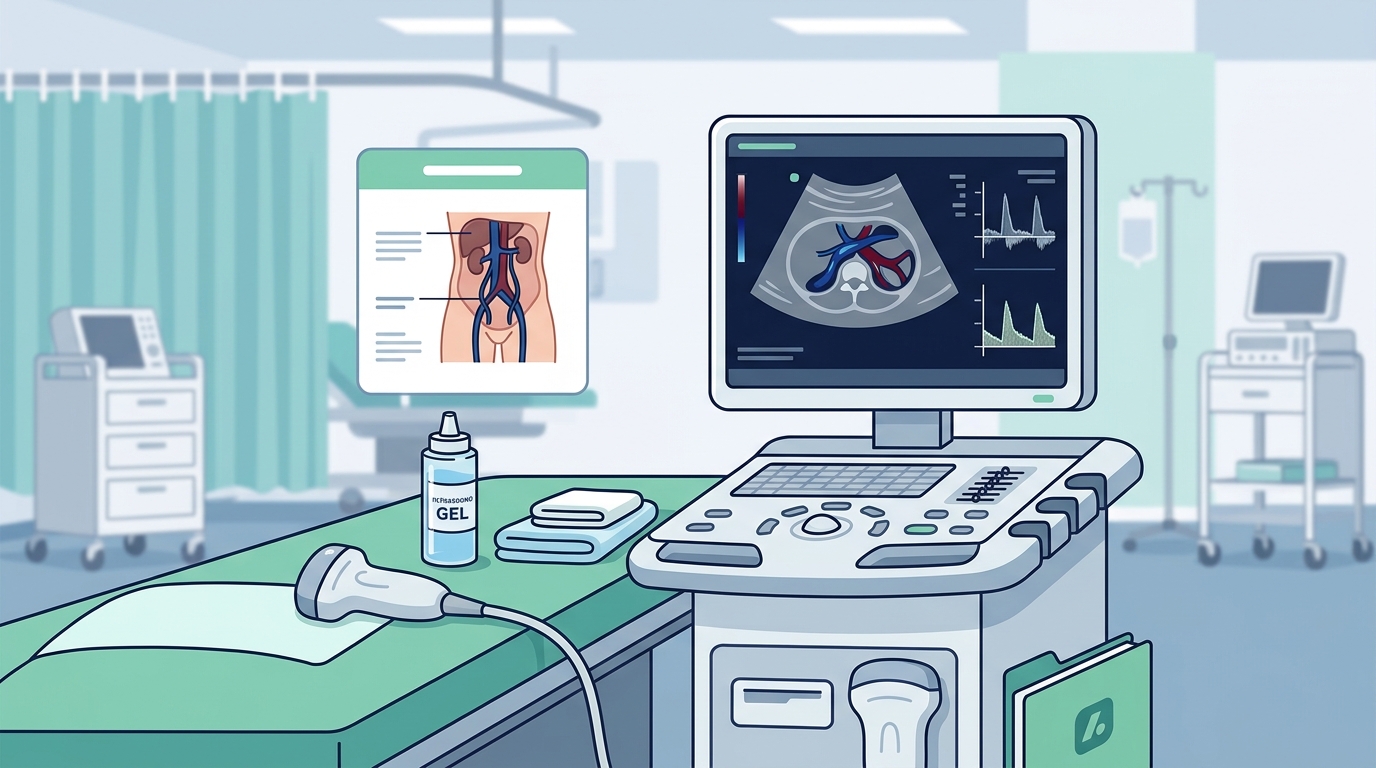
An abdominal venous duplex scan combines traditional ultrasound with Doppler technology to visualize blood flow in the veins of the abdomen. This includes the inferior vena cava, renal veins, and iliac veins. The term "duplex" refers to the two modes of imaging used: B-mode for structural visualization and Doppler for flow assessment. This diagnostic test is essential for diagnosing conditions such as deep vein thrombosis (DVT), pelvic congestion syndrome, and venous compression disorders.
At Truffles Vein Specialists, we utilize advanced vascular testing protocols to ensure precise diagnostics. Our team, including certified vascular technologists, performs these scans to provide a clear picture of your venous health. Early detection of venous issues can prevent severe complications, including pulmonary embolism. For more information on our vascular testing services, visit our Vascular Testing page.
Why Proper Preparation Matters
Proper preparation is not just a formality; it is a critical component of diagnostic accuracy. The abdomen contains gas-filled organs, such as the stomach and intestines, which can interfere with ultrasound waves. Gas reflects sound waves, creating artifacts that obscure the view of the veins. Therefore, minimizing gas in the digestive tract is the primary goal of preparation.
Additionally, certain medications or dietary habits can alter blood flow dynamics or cause discomfort during the scan. By following specific guidelines, you help the sonographer obtain clear, unobstructed images. This reduces the need for repeat scans and ensures a timely diagnosis. Trusting the process allows our specialists to focus on what matters most: your health. Learn more about our diagnostic precision at Why Truffles?.
Pre-Procedure Checklist
Preparing for your abdominal venous duplex scan involves several key steps. While specific instructions may vary based on your individual medical history, the following guidelines are standard for most patients. (Venous Duplex I)
Fasting Requirements
In most cases, you will be asked to fast for 6 to 8 hours before the procedure. This means no food or drink, including water, during this window. Fasting reduces the amount of gas in the stomach and intestines, allowing the ultrasound waves to penetrate deeper into the abdominal cavity. It also ensures that the gallbladder is distended, which can be helpful if the scan includes biliary evaluation.
Medication Management
Continue taking your prescribed medications unless your doctor advises otherwise. However, inform your care team about any blood thinners or diabetes medications, as these may require adjustment. If you are diabetic, discuss your fasting plan with your provider to prevent hypoglycemia. Never stop medication without professional guidance.
Timing and Scheduling
Schedule your appointment for the morning if possible. This makes it easier to adhere to fasting requirements. Arrive 15 minutes early to complete any necessary paperwork. At Truffles Vein Specialists, we value your time and strive for a smooth check-in process. You can schedule an appointment online or by calling our office.
What to Wear and Bring
Comfort is key during the preparation and execution of the scan. Wear loose, comfortable clothing that allows easy access to your abdomen. A two-piece outfit, such as a t-shirt and sweatpants, is ideal. Avoid one-piece garments like dresses or jumpsuits, as you will need to expose your stomach for the procedure.
Bring a list of your current medications and any relevant medical records. If you have had previous ultrasounds or vein scans, bring those reports for comparison. This helps our specialists track changes in your venous health over time. You may also want to bring a companion for support, especially if you feel anxious about the procedure.
What Happens During the Scan
Once you are in the examination room, a vascular technologist will guide you through the process. The scan typically takes between 30 to 60 minutes. Here is what you can expect:
- Positioning: You will lie on your back on an examination table. The technologist may ask you to roll to your side to view specific veins from different angles.
- Gel Application: A warm, water-based gel is applied to your abdomen. This gel eliminates air pockets between the skin and the transducer, ensuring clear sound wave transmission.
- Transducer Movement: The technologist moves a handheld device called a transducer over your abdomen. You may feel slight pressure, but the procedure is generally painless.
- Breathing Instructions: You may be asked to hold your breath or take deep breaths at certain points. This helps stabilize the organs and provides clearer images.
The technologist will monitor the images in real-time, capturing stills and video clips of blood flow. If additional views are needed, they may ask you to change positions. Our team at Truffles Vein Specialists is trained to perform these scans with precision and care.
Post-Procedure Care and Results
After the scan is complete, the technologist will wipe off the gel and provide you with a sheet to cover up. You can resume normal activities immediately, including eating and drinking, unless your doctor has given you specific restrictions. There is no downtime required for this non-invasive procedure.
Your doctor will review the images and generate a report. This report is typically sent to your referring physician within a few days. If the results indicate a need for further treatment, your doctor will discuss the next steps with you. Early intervention can prevent the progression of venous disease. For more on our treatment options, visit our Vein Treatments page.
Key Takeaways
- Fasting is Critical: Avoid food and drink for 6-8 hours before the scan to reduce intestinal gas.
- Non-Invasive Safety: The procedure uses sound waves, not radiation, making it safe for repeated use.
- Comfortable Clothing: Wear loose, two-piece outfits for easy access to the abdomen.
- Medication Continuity: Take prescribed meds unless instructed otherwise by your doctor.
- Diagnostic Accuracy: Proper preparation ensures clear images and accurate diagnosis of venous issues.
- Quick Recovery: No downtime is required; you can return to normal activities immediately.
- Expert Care: Truffles Vein Specialists offers advanced vascular testing with certified technologists.
Frequently Asked Questions
Do I need to fast for an abdominal venous duplex scan?
Yes, fasting for 6 to 8 hours is typically required to minimize gas in the digestive tract, which can obscure ultrasound images.
Is the abdominal venous duplex scan painful?
No, the procedure is non-invasive and generally painless. You may feel slight pressure from the transducer, but it is not considered painful.
How long does the scan take?
The scan usually takes between 30 to 60 minutes, depending on the complexity of the case and the veins being evaluated.
Can I drive myself home after the scan?
Yes, since the procedure does not involve sedation or anesthesia, you can drive yourself home and resume normal activities immediately.
What conditions does this scan diagnose?
This scan diagnoses conditions such as deep vein thrombosis (DVT), pelvic congestion syndrome, venous compression, and blood flow abnormalities in the abdomen.
Do I need a referral for this test?
Most insurance companies require a referral from a primary care physician or specialist. Contact our office to verify your coverage and referral requirements.
Are there any risks associated with the scan?
There are no known risks associated with abdominal venous duplex scanning. It is a safe, radiation-free diagnostic tool.
Schedule Your Abdominal Venous Duplex Scan
Don't let venous health issues go undiagnosed. Early detection through an abdominal venous duplex scan can lead to effective treatment and improved quality of life. At Truffles Vein Specialists, we are Georgia's premier vein treatment center, offering advanced diagnostic precision and compassionate care. Our team of experts, including Dr. Paul Feldman and our certified vascular technologists, is ready to help you. Schedule an appointment today or visit our Free Vein Screening page to get started. (Duplex Ultrasonography StatPearls)