
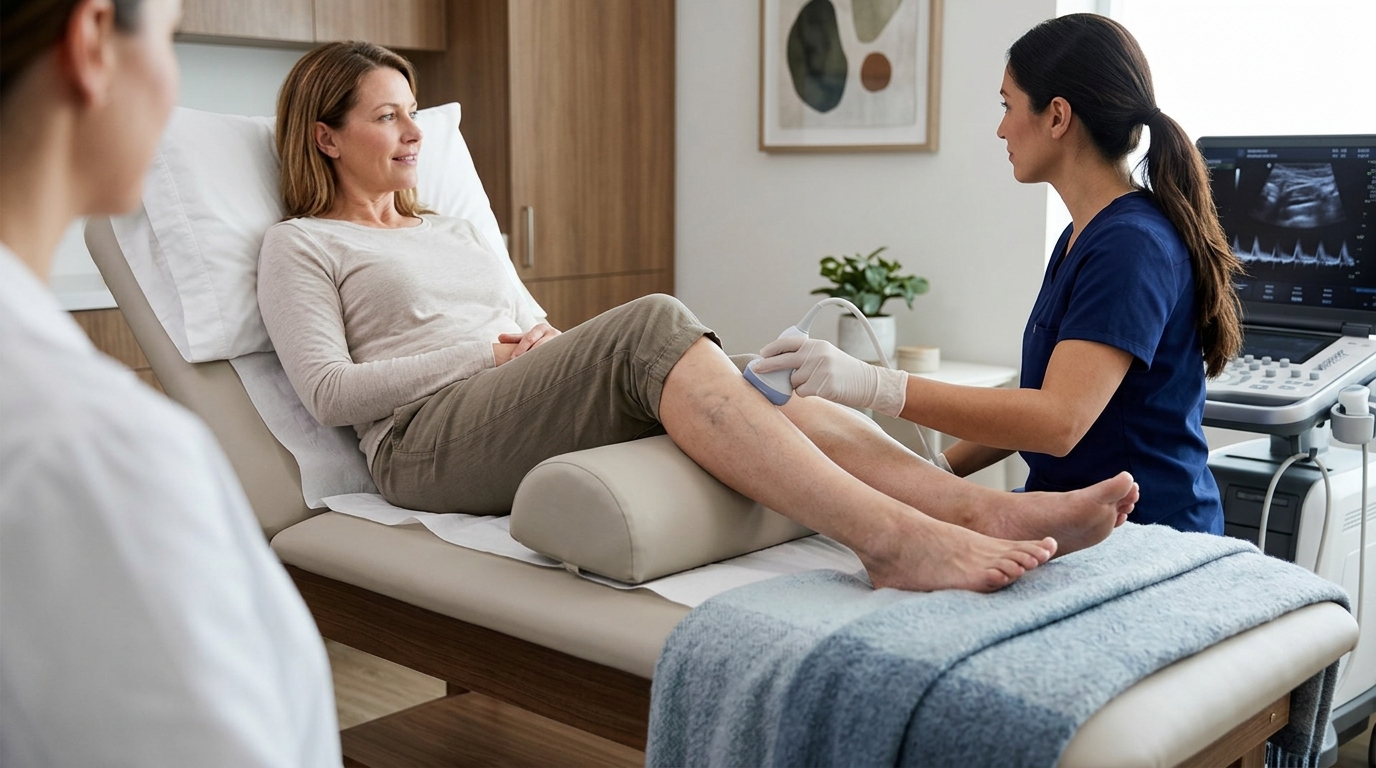
Chronic leg pain, swelling, or visible bulging veins are not just cosmetic concerns. They are often symptoms of underlying venous insufficiency, a condition affecting millions of people. According to the American Venous Forum, approximately 23% of adults in the United States have varicose veins, and the underlying cause is frequently diagnosed through a non-invasive diagnostic tool. The venous reflux ultrasound exam is the gold standard for identifying these issues. Understanding the process demystifies the experience and helps patients feel confident in their care journey.
Preparation and Arrival
One of the primary advantages of a venous reflux ultrasound is that it requires minimal preparation. Unlike many other medical imaging tests, you do not need to fast or undergo bowel preparation. You can eat and drink normally before your appointment. However, there are practical considerations to ensure the accuracy of the results.
Wear loose-fitting, comfortable clothing. You will likely need to remove pants or skirts from the waist down to allow access to your legs. Many patients find it helpful to wear shorts or a skirt to the clinic. If you wear compression stockings, you may be asked to remove them before the exam, as they can mask the true extent of venous reflux. Bring a list of any medications you are currently taking, especially if you are on blood thinners, as this information is relevant to your overall vascular health.
Upon arrival at Truffles Vein Specialists, the front desk team will check you in. The environment is designed to be calming and professional. You will be escorted to a private exam room where a registered vascular technologist will perform the scan. Our team includes highly credentialed specialists, such as Brian Sapp, RVT, RPhS, who bring years of expertise in vascular diagnostics to every patient interaction.
The Ultrasound Examination Process
The venous reflux ultrasound, also known as a venous duplex scan, combines traditional ultrasound imaging with Doppler technology. This dual approach allows the technologist to see the structure of your veins and measure the speed and direction of blood flow simultaneously. The entire procedure typically takes between 30 to 60 minutes, depending on the complexity of your case and the number of veins being evaluated.
Positioning and Gel Application
You will lie on an exam table, usually on your back. The technologist will apply a warm, water-based gel to your legs. This gel serves a critical function: it eliminates air pockets between the ultrasound transducer (the handheld device) and your skin, ensuring clear sound wave transmission. The gel is non-staining and easy to wipe away after the exam.
The Scanning Technique
The technologist will move the transducer over specific areas of your legs, starting from the groin and working down to the ankles. They will systematically examine both the superficial and deep venous systems. As the device moves, you will hear a whooshing sound. This is the Doppler signal representing blood flow. The sound changes pitch and intensity based on the direction and velocity of the blood.
During the exam, you will be asked to perform specific maneuvers. The most common is the Valsalva maneuver, where you take a deep breath and bear down as if having a bowel movement. This increases pressure in the abdomen and chest, which can cause blood to flow backward in incompetent veins. You may also be asked to stand up or walk briefly to observe how gravity affects blood flow in your legs.
What the Technician Looks For
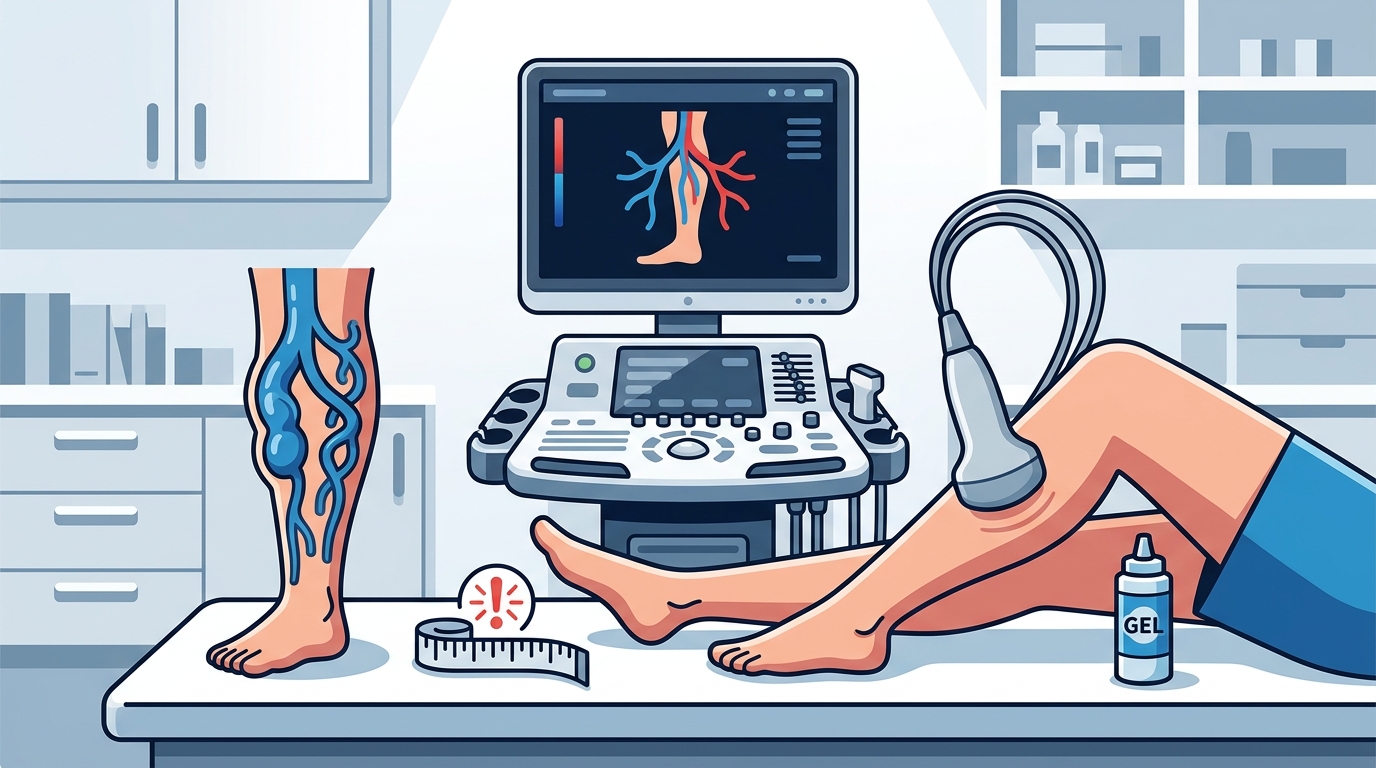
The primary goal of the venous reflux ultrasound is to identify venous insufficiency. Venous insufficiency is a condition where the veins have trouble sending blood from the legs back to the heart. Healthy veins have one-way valves that prevent blood from flowing backward. When these valves fail, blood pools in the legs, leading to increased pressure and vein dilation.
The technologist measures the duration of reverse blood flow. If blood flows backward for more than 0.5 seconds in the superficial veins, it is considered abnormal reflux. This data is crucial for mapping the disease. The ultrasound creates a detailed map of your venous anatomy, highlighting which veins are diseased and which are healthy. This map is essential for planning any potential treatment.
In addition to checking for reflux, the exam screens for Deep Vein Thrombosis (DVT). Deep Vein Thrombosis is the formation of one or more blood clots in the deep veins, usually in the legs. The technologist will compress the veins with the transducer. Healthy veins collapse under pressure, while veins with clots remain open and rigid. This compression test is a quick and effective way to rule out dangerous clots.
Post-Exam and Results
Once the scanning is complete, the technologist will wipe off the gel and help you get dressed. You can resume your normal activities immediately. There is no downtime or recovery period required. The results of the ultrasound are interpreted by a vascular specialist, such as Dr. Paul Feldman or Dr. Christopher Perez.
At Truffles Vein Specialists, we prioritize clear communication. You will typically discuss the results with your provider during a follow-up consultation or sometimes immediately after the exam if the provider is present. The provider will explain the findings in plain language, detailing the severity of any reflux and the specific veins involved.
If the ultrasound reveals significant venous insufficiency, your provider will discuss treatment options. These may include minimally invasive procedures such as Radio-Frequency Closure, Laser Vein Ablation, or VenaSeal. The choice of treatment depends on the size and location of the affected veins, as well as your personal health history.
Next Steps and Treatment Options
Early diagnosis through venous reflux ultrasound is critical for preventing complications. Untreated venous insufficiency can lead to skin changes, such as Stasis Dermatitis, lipodermatosclerosis, and even venous ulcers. By identifying the problem early, we can intervene with effective treatments that improve your quality of life.
Our team offers a comprehensive range of vein treatments. We utilize advanced technologies to ensure patient comfort and rapid recovery. For example, VenaSeal uses a medical adhesive to seal the vein, eliminating the need for tumescent anesthesia and compression stockings in many cases. Varithena is another foam-based option that is particularly effective for treating larger veins.
We also specialize in treating Pelvic Congestion Syndrome, a condition that causes chronic pelvic pain due to enlarged veins in the pelvis. Our multidisciplinary approach ensures that all aspects of your venous health are addressed.
Key Takeaways
- Non-Invasive Diagnostic: The venous reflux ultrasound is painless, requires no fasting, and provides a complete map of your venous health.
- Gold Standard for Diagnosis: It is the most accurate method for detecting venous insufficiency and ruling out Deep Vein Thrombosis (DVT).
- Expert Interpretation: Results are analyzed by board-certified specialists to ensure precise treatment planning.
- Immediate Recovery: Patients can return to work and daily activities immediately after the exam.
- Treatment Planning: The ultrasound map guides the selection of the most effective minimally invasive treatment, such as VenaSeal or Laser Ablation.
- Prevention of Complications: Early detection prevents serious issues like ulcers and chronic swelling.
- Comprehensive Care: Truffles Vein Specialists offers a full spectrum of diagnostic and therapeutic services under one roof.
Frequently Asked Questions
Is the venous reflux ultrasound painful?
No, the exam is generally painless. You may feel slight pressure from the transducer or mild discomfort when the technologist asks you to bear down during the Valsalva maneuver. The gel is warm and comfortable. Most patients describe the experience as relaxing.
How long does the exam take?
A typical venous reflux ultrasound takes between 30 to 60 minutes. The duration depends on the number of veins being examined and whether both legs require detailed assessment.
Do I need to wear compression stockings after the exam?
No compression is required after the diagnostic ultrasound itself. Compression stockings are typically prescribed only if you undergo a treatment procedure, such as vein ablation or sclerotherapy.
Can I drive home after the exam?
Yes, you can drive home immediately. The exam does not involve sedation or anesthesia that would impair your ability to operate a vehicle.
What is the difference between a venous reflux ultrasound and a DVT ultrasound?
While both use similar technology, a venous reflux ultrasound focuses on valve function and blood flow direction to diagnose insufficiency. A DVT ultrasound specifically looks for blood clots in the deep veins. Often, both assessments are performed during the same session to provide a complete picture of your venous health.
How accurate is the venous reflux ultrasound?
The venous duplex ultrasound is considered the gold standard for diagnosing venous disease. It has a high sensitivity and specificity for detecting reflux and DVT, making it highly reliable for clinical decision-making.
What happens if I have a blood clot?
If a blood clot is detected, your provider will immediately discuss the appropriate medical management. This may include anticoagulation therapy and further monitoring. Prompt diagnosis is critical for preventing complications such as pulmonary embolism.
Schedule Your Evaluation
Do not ignore the signs of venous disease. Early diagnosis through a venous reflux ultrasound can prevent long-term complications and improve your comfort. At Truffles Vein Specialists, we are dedicated to providing expert care in a compassionate environment. Our team of specialists, including Dr. Paul Feldman and Dr. Christopher Perez, is ready to help you achieve healthy, pain-free legs.
Contact us today to schedule your free vein screening or learn more about our vein treatment options. Take the first step toward feeling your best.