
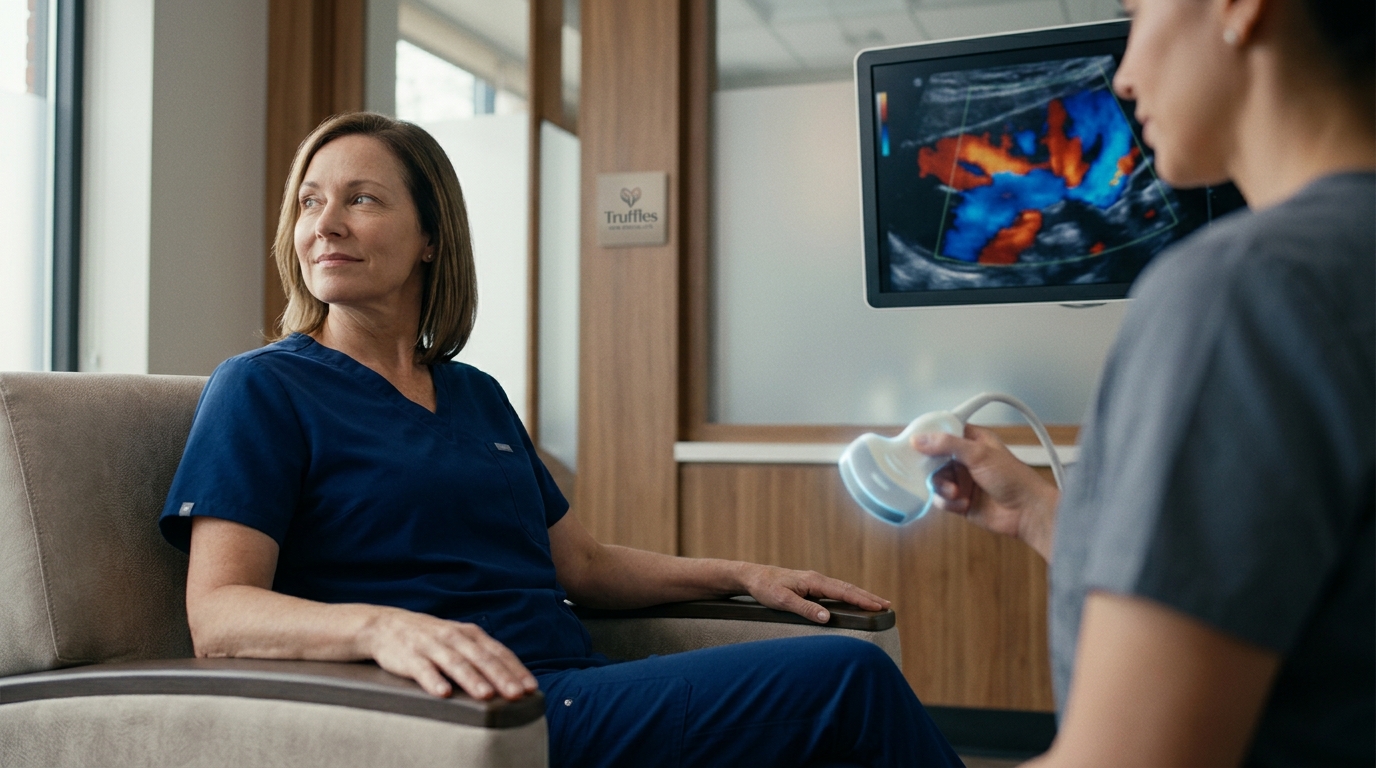
Understanding the preparation for an abdominal venous duplex scan is critical for ensuring accurate diagnostic results. This non-invasive imaging test allows specialists to evaluate blood flow in the major veins of your abdomen, including the inferior vena cava and renal veins. Proper preparation minimizes artifacts caused by bowel gas and ensures the ultrasound technician can capture clear images of your vascular structures. At Truffles Vein Specialists, we prioritize patient comfort and diagnostic precision to help identify conditions like renal artery stenosis or deep vein thrombosis effectively. (Best Vein Center in)
What is an Abdominal Venous Duplex Scan?
An abdominal venous duplex scan is a specialized ultrasound examination that combines traditional B-mode imaging with Doppler flow analysis. Venous Ultrasound for DVT detection is a common reason for this referral, but the scope extends far beyond clot identification. The procedure visualizes the inferior vena cava, iliac veins, and renal veins to assess for obstructions, compression syndromes, or abnormal blood flow patterns.
According to vascular health guidelines, accurate visualization of these deep structures requires specific patient preparation. The abdominal cavity contains organs and bowel loops that can interfere with sound wave transmission. When gas accumulates in the intestines, it creates acoustic shadows that obscure the view of the veins. This is why preparation is not just a formality but a medical necessity for diagnostic clarity.
At Truffles Vein Specialists, our team includes certified vascular technologists who understand the nuances of abdominal imaging. They work closely with physicians like Dr. Paul Feldman to ensure that every scan provides the highest fidelity data possible. This attention to detail helps in diagnosing complex conditions such as Iliac Vein Compression or renal artery issues that might otherwise be missed.
Preparation Guidelines and Fasting
The most critical aspect of preparing for this scan is managing your digestive system. The primary goal is to reduce the amount of gas in your stomach and intestines. Gas is the enemy of ultrasound imaging because it reflects sound waves rather than allowing them to pass through to the veins.
Fasting Requirements
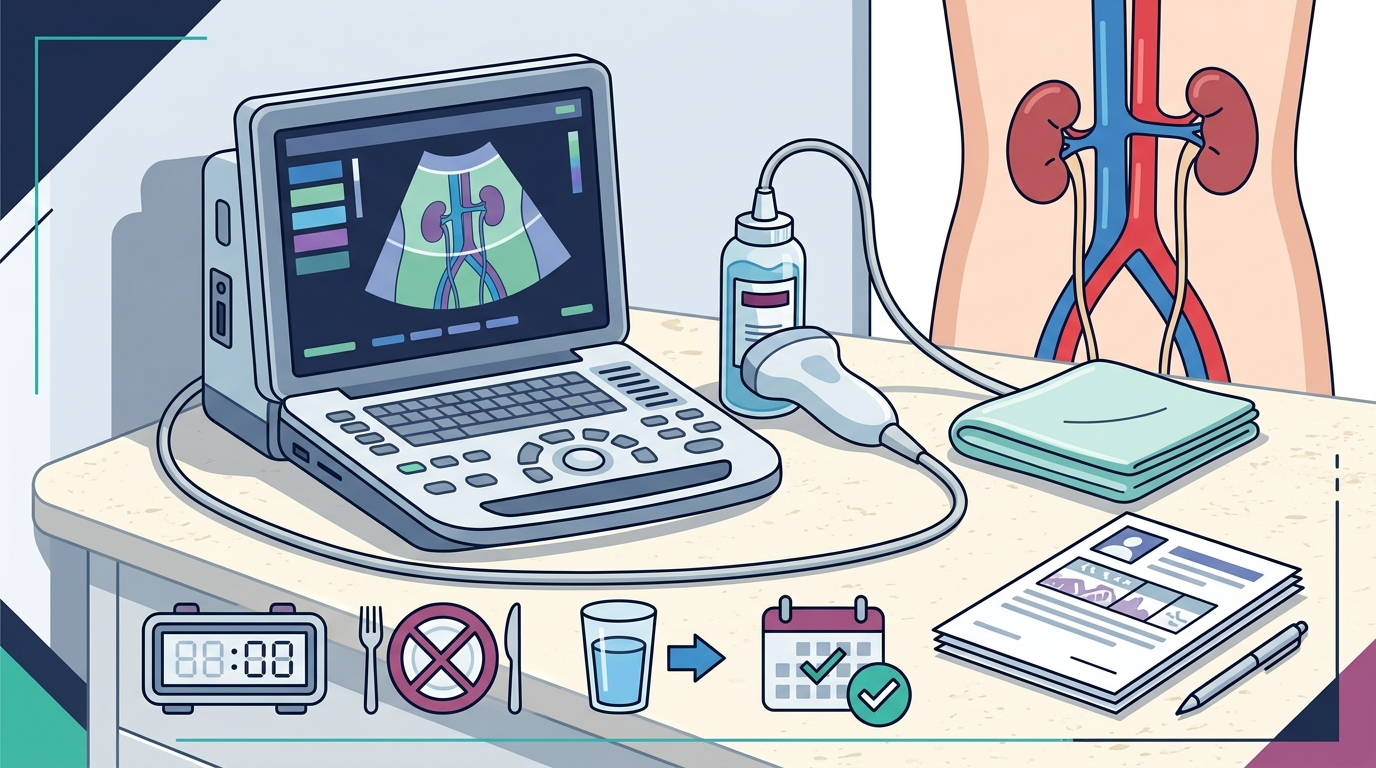
Most vascular centers require patients to fast for a specific period before the appointment. Typically, you will be instructed to stop eating and drinking for four to six hours prior to the scan. This fasting period allows the stomach to empty and reduces peristalsis, the natural movement of the intestines that can blur images.
Water intake is often restricted during this window as well. While staying hydrated is generally important for vein health, excessive fluid intake right before the test can increase gastric volume and gas production. Always follow the specific instructions provided by your scheduling coordinator at Truffles Vein Specialists, as protocols may vary slightly based on the specific veins being targeted.
Dietary Adjustments Before the Scan
In the days leading up to your appointment, you can take proactive steps to minimize gas. Avoiding carbonated beverages, chewing gum, and smoking is highly recommended. These activities cause you to swallow air, which directly contributes to intestinal gas. Additionally, steering clear of gas-producing foods such as beans, broccoli, cabbage, and dairy products can significantly improve image quality.
According to a study published in the American Journal of Roentgenology, patient preparation techniques including fasting and dietary restrictions can reduce scan times by up to 30 percent. This efficiency not only improves your comfort but also allows the technologist to focus on detailed analysis rather than waiting for bowel gas to dissipate.
Medication and Dietary Adjustments
While fasting is the primary preparation step, your medication regimen also plays a role in the accuracy of the scan. Certain medications can affect blood flow dynamics or cause gastrointestinal side effects that increase gas production.
Managing Medications
You should consult with your primary care physician or the vascular specialist regarding your current medications. Some drugs, particularly those that affect blood clotting or blood pressure, may need to be adjusted. However, do not stop taking any prescribed medication without explicit medical advice. The risk of disrupting your treatment plan far outweighs the minor benefit of altered blood flow during a diagnostic test.
If you take medications that cause nausea or gastrointestinal distress, inform your scheduling team. They may recommend taking these medications at a different time of day or with a small amount of food if the fasting window allows. At Truffles Vein Specialists, we offer Free Vein Screening consultations where we can review your medical history and tailor the preparation instructions to your specific needs.
Wearing Comfortable Clothing
Practicality is key on the day of your scan. Wear loose, comfortable clothing that allows easy access to your abdomen. A two-piece outfit is ideal, as you will need to lie flat on your back while the technologist applies gel and moves the transducer across your stomach. Avoid tight belts or waistbands that might need to be removed and re-adjusted frequently.
Bringing a robe or a cardigan can also be helpful. The ultrasound gel can be cool, and the examination room may be kept at a comfortable temperature. Having a layer to cover up after the procedure helps maintain your dignity and comfort as you get dressed.
What to Expect During the Procedure
Understanding the procedure itself can alleviate anxiety. The abdominal venous duplex scan is non-invasive and painless. It typically takes between 30 to 60 minutes to complete, depending on the complexity of the case and the clarity of the images obtained.
The Examination Process
Upon arrival, you will be asked to change into a gown and lie on an examination table. The vascular technologist will apply a warm, water-based gel to your abdomen. This gel eliminates air pockets between the skin and the ultrasound transducer, ensuring optimal sound wave transmission.
The technologist will then press the transducer against your skin and move it in various patterns. You may feel slight pressure, but it should not be painful. The technologist may ask you to hold your breath at certain intervals. This is crucial for stabilizing the image of the inferior vena cava and other deep veins. Holding your breath stops the diaphragm from moving, which can blur the ultrasound images.
Advanced Imaging Techniques
Depending on the clinical question, the technologist may use different angles and frequencies. For deeper structures like the renal arteries, a lower frequency probe might be used to penetrate further into the tissue. For superficial veins, a higher frequency probe provides greater detail.
At Truffles Vein Specialists, we utilize state-of-the-art ultrasound technology to ensure the highest resolution images. Our team is trained to identify subtle abnormalities in blood flow that might indicate early-stage disease. This proactive approach allows for earlier intervention and better long-term outcomes for patients.
Post-Procedure Care and Results
One of the significant advantages of the abdominal venous duplex scan is the lack of recovery time. You can resume your normal activities immediately after the procedure. There are no incisions, no radiation exposure, and no risk of allergic reaction to contrast dyes.
Cleaning Up
The ultrasound gel is water-soluble and will wash off easily with soap and water. You may want to bring a small towel or tissues to wipe off excess gel before getting dressed. The gel is generally non-staining, but it can be slippery, so handle your clothing with care.
Receiving Your Results
The images are reviewed by a radiologist or a vascular specialist who will generate a detailed report. This report is sent to your referring physician, who will discuss the findings with you. If the scan reveals abnormalities such as a blood clot or venous compression, your doctor will outline the next steps in your treatment plan.
Early detection is vital in vascular health. Conditions like Deep Vein Thrombosis or DVT can lead to serious complications if left untreated. By undergoing this scan promptly, you are taking a proactive step toward protecting your health. Truffles Vein Specialists is committed to providing clear, compassionate care throughout your diagnostic journey.
Key Takeaways
- Fasting is Essential: Stop eating and drinking for 4-6 hours before your scan to reduce bowel gas and improve image clarity.
- Avoid Gas-Producing Foods: In the days prior, avoid beans, broccoli, carbonated drinks, and dairy to minimize intestinal gas.
- Medication Consultation: Review your current medications with your doctor to ensure they do not interfere with the scan or your health.
- Wear Loose Clothing: Choose a two-piece outfit to allow easy access to your abdomen and comfortable positioning on the table.
- Hold Your Breath: Follow the technologist's instructions to hold your breath, which stabilizes the image of deep abdominal veins.
- No Recovery Time: You can resume normal activities immediately after the procedure, as it is non-invasive and painless.
- Follow Up: Discuss the results with your referring physician to determine the appropriate next steps for your vascular health.
Frequently Asked Questions
Do I need to fast for an abdominal venous duplex scan?
Yes, fasting is typically required for four to six hours before the procedure. This helps reduce gas in the stomach and intestines, which can obscure the ultrasound images of the abdominal veins.
Can I drink water before the scan?
It is generally recommended to restrict water intake during the fasting period. However, you may take small sips of water if necessary to take essential medications. Always confirm with your scheduling team for specific instructions.
How long does the abdominal venous duplex scan take?
The procedure usually takes between 30 to 60 minutes. The duration can vary depending on the complexity of the case and the clarity of the images obtained.
Is the abdominal venous duplex scan painful?
No, the scan is non-invasive and painless. You may feel slight pressure from the transducer, but it should not cause discomfort. The gel used is warm and water-based.
What happens if the scan shows an abnormality?
If an abnormality is detected, your referring physician will review the results with you. They will discuss the findings and recommend appropriate treatment options, which may include further testing or intervention.
Can I drive myself home after the scan?
Yes, you can drive yourself home. The procedure does not involve sedation or anesthesia, so you are free to resume your normal activities immediately afterward.
Are there any risks associated with this scan?
There are no known risks associated with an abdominal venous duplex scan. It does not use radiation or contrast dyes, making it a safe and effective diagnostic tool.
Schedule Your Evaluation
Do not let uncertainty about your vascular health hold you back. Early detection and proper preparation are key to effective diagnosis and treatment. At Truffles Vein Specialists, we are dedicated to providing expert care and accurate diagnostics for all your vein health needs.
Contact us today to schedule your abdominal venous duplex scan or to learn more about our comprehensive vein care services. Our team is here to answer your questions and guide you through every step of the process. Visit our Contact page to get started.