

Chronic venous insufficiency affects millions of Americans, yet many patients delay treatment due to confusion about provider qualifications. According to the American Venous Forum, vein disease is a progressive condition that requires precise diagnostic imaging and specialized procedural expertise to manage effectively. Finding the right specialist in Georgia involves more than just a local search; it requires verifying board certification, understanding the specific technologies used, and ensuring the practice offers comprehensive vascular testing. This guide outlines the exact steps to identify a top-tier vein care provider in the region.
Verify Board Certification and Credentials
The first step in your search is confirming that your potential specialist holds the appropriate medical licenses and board certifications. In the field of vascular medicine, not all doctors are equal. You should look for physicians who are specifically trained in phlebology or vascular surgery. At Truffles Vein Specialists, the team includes Dr. Paul Feldman and Dr. Christopher Perez, who bring extensive experience to the diagnosis and treatment of venous disorders. Dr. Paul Feldman is a recognized leader in the field, ensuring that patients receive care from a physician who understands the complexities of venous anatomy.
Board certification in vascular surgery or internal medicine with a focus on venous disease is a critical indicator of competence. It ensures that the doctor has undergone rigorous training in both the medical and surgical management of vein conditions. When you visit a practice like Truffles Vein Specialists, you are engaging with a team that prioritizes this high standard of medical education. Do not settle for general practitioners who may only offer basic sclerotherapy without a deep understanding of underlying hemodynamics.
Assess Diagnostic and Treatment Technology
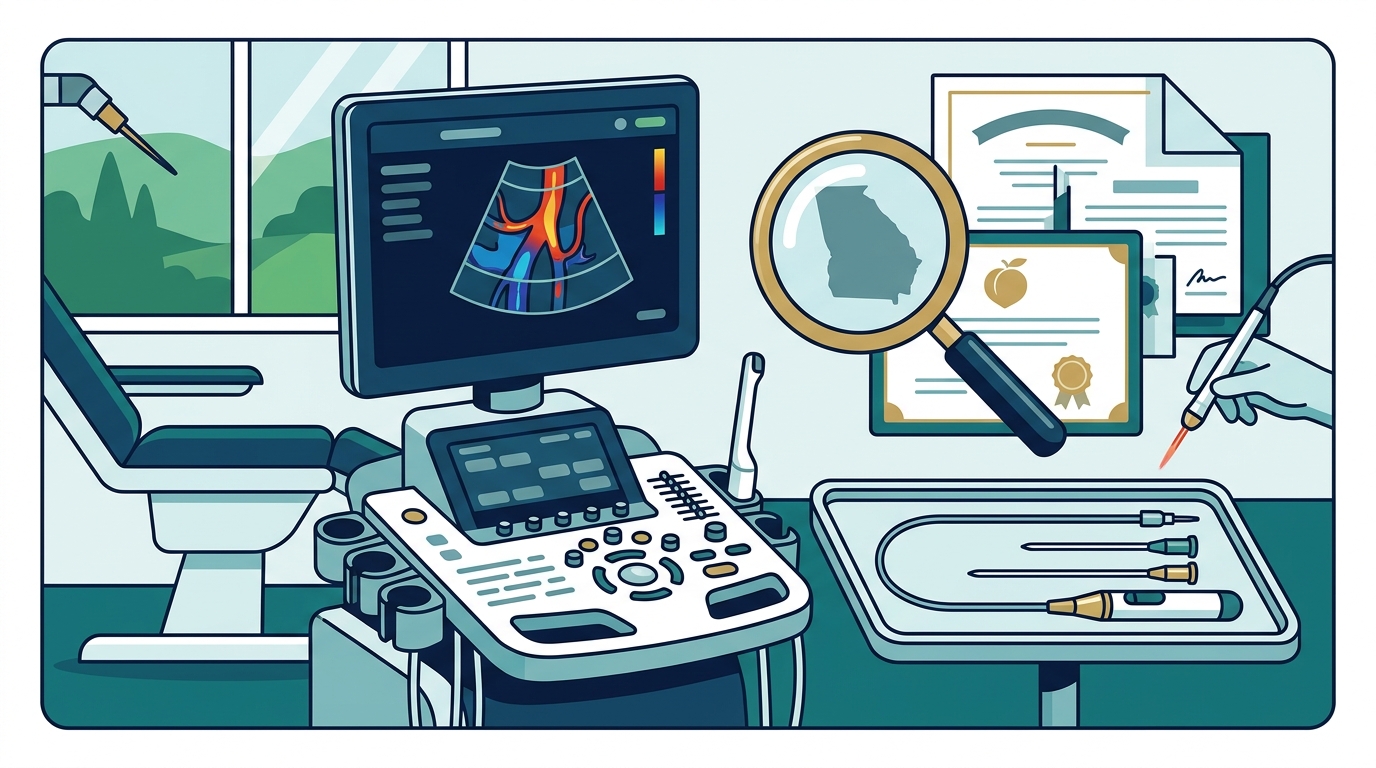
Modern vein care relies heavily on advanced technology to ensure minimally invasive and effective outcomes. The gold standard for diagnosing venous insufficiency is duplex ultrasound imaging. This non-invasive test allows specialists to visualize blood flow and identify reflux in the veins. A qualified specialist must have on-site ultrasound capabilities to perform a thorough evaluation during your initial consultation.
Treatment options have evolved significantly in recent years. Traditional vein stripping has largely been replaced by endovenous techniques. For example, VenaSeal is a medical adhesive treatment that seals diseased veins without the need for tumescent anesthesia or thermal energy. This method is particularly beneficial for patients who want to avoid needles or heat near the treatment site. Other advanced options include Varithena, a foam-based treatment that uses ultrasound guidance to close veins from the inside out. A practice that offers multiple modalities can tailor the treatment plan to your specific anatomy and lifestyle needs.
Evaluate Vascular Testing Capabilities
Accurate diagnosis is the foundation of successful vein treatment. You must ensure that the specialist you choose performs comprehensive vascular testing. This includes venous reflux ultrasound to map the superficial and deep venous systems. It also involves checking for deep vein thrombosis (DVT), a serious condition where blood clots form in the deep veins. Venous Ultrasound for DVT is a critical component of any initial workup for leg swelling or pain.
Additionally, the specialist should be able to assess for pelvic congestion syndrome, which can cause chronic pelvic pain and varicose veins in women. This requires specialized imaging of the pelvic veins. At Truffles Vein Specialists, the team is trained to identify these complex conditions that are often missed by general practitioners. If a provider cannot perform a full duplex scan of your legs and pelvis, they may not be qualified to treat your specific case.
Compare Treatment Modalities Offered
Not all vein clinics offer the same range of treatments. A qualified specialist should be proficient in multiple techniques to address different stages of vein disease. These may include radio-frequency closure, laser vein ablation, foam sclerotherapy, and ultrasound-guided sclerotherapy. Each method has specific indications based on the size and location of the affected veins.
| Treatment Modality | Best For | Key Benefit |
|---|---|---|
| Radio-Frequency Closure | Large saphenous veins | High success rate with minimal downtime |
| Laser Vein Ablation | Varicose veins | Non-invasive thermal sealing |
| Foam Sclerotherapy | Medium-sized veins | Injectable treatment for reflux |
| Visible Sclerotherapy | Spider veins | Improved cosmetic outcome |
| VenaSeal | Patients avoiding heat/needles | No tumescent anesthesia required |
When evaluating a specialist, ask which technologies they use most frequently and why. A provider who only offers one type of treatment may not be able to address complex venous anatomy. For instance, Ultrasound Guided Sclerotherapy is essential for treating larger veins that are not visible on the surface. Ensure your chosen clinic has the expertise to utilize these advanced techniques safely.
Review Patient Outcomes and Reputation
Reading patient reviews provides insight into the quality of care and the patient experience. Look for feedback regarding the professionalism of the staff, the clarity of the diagnosis, and the effectiveness of the treatment. At Truffles Vein Specialists, patient reviews highlight the compassionate care and detailed explanations provided by the medical team. Pay attention to comments about post-procedure support and the ease of scheduling follow-up appointments.
Additionally, consider the longevity of the practice. A clinic that has been serving the Georgia community for many years has likely established a strong reputation for reliable care. Check if the specialists are involved in professional organizations or continue their education through ongoing training. This commitment to professional development ensures that you receive the most current and effective treatments available.
Schedule a Comprehensive Screening
Once you have identified a few potential specialists, schedule a consultation. Many reputable clinics, including Truffles Vein Specialists, offer free vein screenings to assess your condition. During this visit, the specialist will perform a physical exam and likely a duplex ultrasound. This allows you to ask questions about their approach, see the technology in action, and gauge your comfort level with the provider.
Use this opportunity to discuss your symptoms, medical history, and aesthetic goals. A qualified specialist will listen to your concerns and provide a clear, personalized treatment plan. They should explain the risks and benefits of each option without pressuring you into a specific procedure. If you feel rushed or unheard, it may be a sign to seek care elsewhere. Trust your instincts and choose a provider who makes you feel confident in your care journey.
Key Takeaways
- Verify that your specialist is board-certified in vascular surgery or phlebology.
- Ensure the clinic has on-site duplex ultrasound capabilities for accurate diagnosis.
- Look for a practice that offers multiple treatment modalities, such as VenaSeal and Varithena.
- Check for expertise in treating complex conditions like pelvic congestion syndrome.
- Read patient reviews to assess the quality of care and patient satisfaction.
- Schedule a free screening to evaluate the provider's approach and technology.
- Choose a specialist who provides clear explanations and personalized treatment plans.
Frequently Asked Questions
What is the best way to diagnose vein disease?
The gold standard for diagnosing vein disease is a venous duplex ultrasound. This non-invasive test visualizes blood flow and identifies reflux in the veins, allowing for an accurate treatment plan.
What is VenaSeal and who is it for?
VenaSeal is a medical adhesive treatment that seals diseased veins without using heat or tumescent anesthesia. It is ideal for patients who want to avoid needles or thermal energy near the treatment site.
How do I know if I need a vein specialist?
If you experience leg pain, swelling, visible varicose veins, or skin changes, you should consult a vein specialist. These symptoms may indicate chronic venous insufficiency, which requires professional evaluation.
What is the difference between laser ablation and radio-frequency closure?
Both are minimally invasive treatments that seal diseased veins. Laser ablation uses laser energy, while radio-frequency closure uses radiofrequency energy. The choice depends on the vein size and the specialist's expertise.
Does insurance cover vein treatment?
Many vein treatments are covered by insurance if they are deemed medically necessary. A qualified specialist can help you navigate the insurance process and verify your coverage.
What is pelvic congestion syndrome?
Pelvic congestion syndrome is a condition caused by varicose veins in the pelvis. It can cause chronic pelvic pain and is often associated with leg varicose veins. Specialized imaging is required for diagnosis.
How long does a vein treatment take?
Most vein treatments, such as radio-frequency closure or VenaSeal, are performed in an office setting and take about 30 to 60 minutes. Recovery is typically quick, with most patients returning to normal activities immediately.
Take the Next Step in Your Vein Health Journey
Finding a qualified vein specialist in Georgia is a critical step toward resolving your symptoms and improving your quality of life. By verifying credentials, assessing technology, and reviewing patient outcomes, you can make an informed decision. Contact Truffles Vein Specialists today to schedule your consultation and discover the path to healthier, more comfortable legs.