
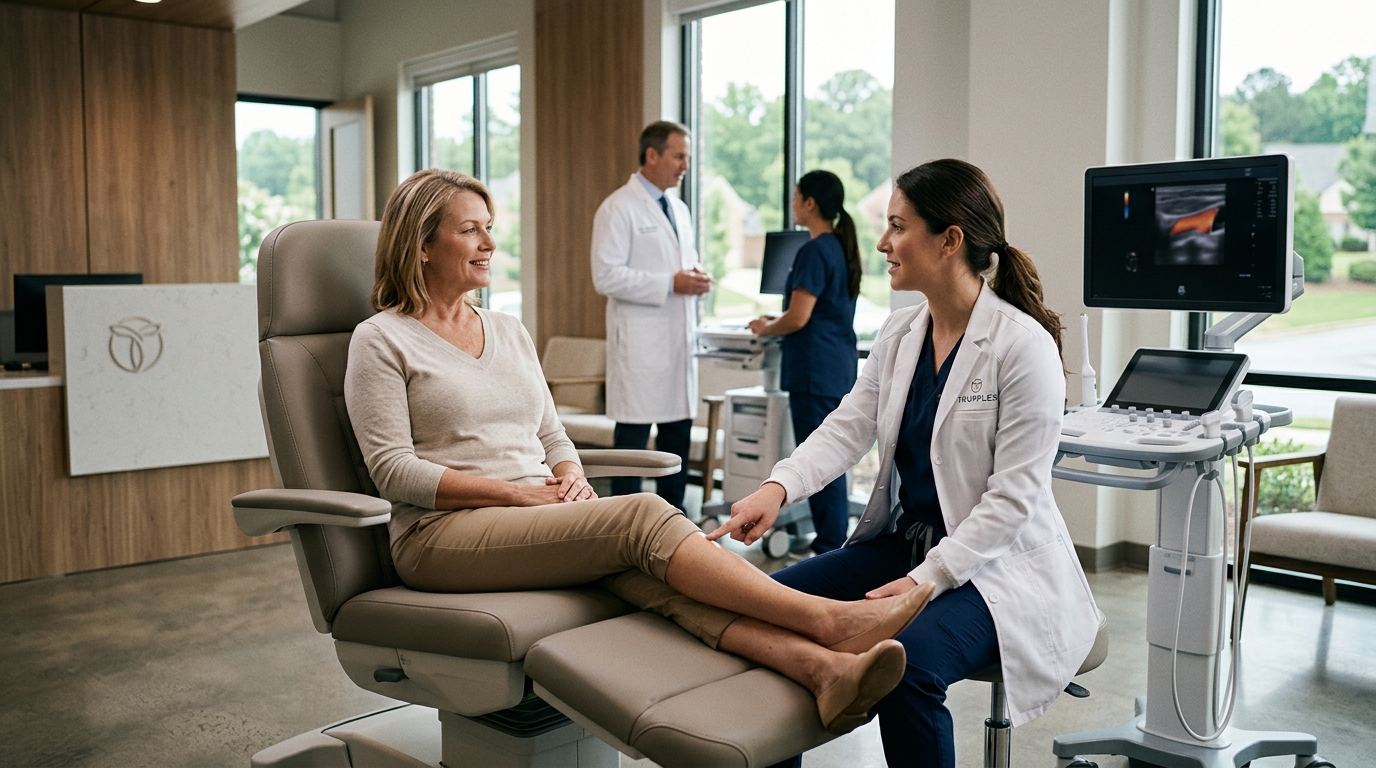
Vein disease affects millions of people, yet many patients remain confused about their treatment options. According to the American Venous Forum, over 50 million Americans suffer from varicose veins, a condition that often requires professional intervention. Understanding the specific mechanics of available treatments is the first step toward restoring your leg health. This guide breaks down the critical differences between sclerotherapy and laser vein ablation to help you choose the right path for your body. (Best Vein Center in)
Mechanism of Action
The fundamental difference lies in how each treatment closes off the problematic veins. Both methods aim to redirect blood flow to healthier veins, but they use entirely different physical and chemical approaches. (Medical Vein Center Vein)
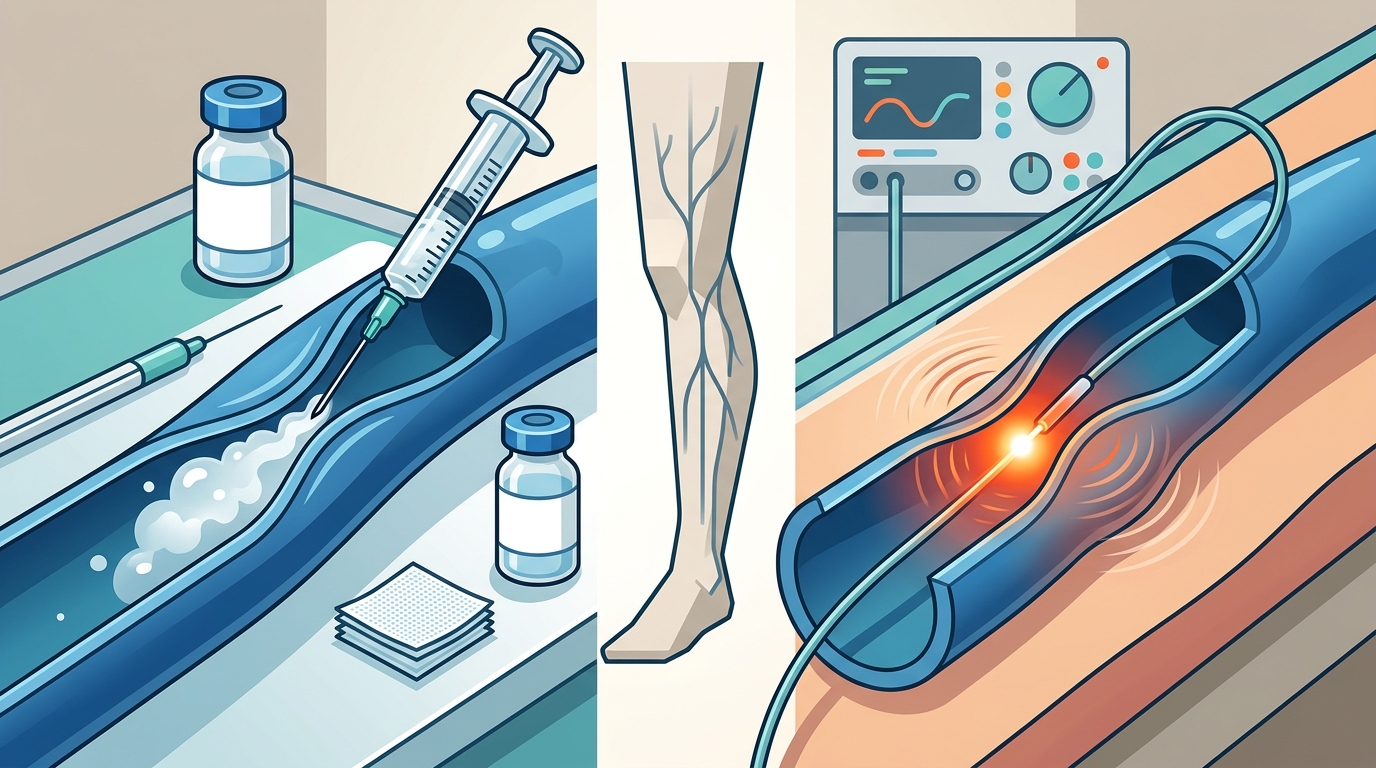
Sclerotherapy is a minimally invasive procedure where a specialized solution is injected directly into the vein. This solution, known as a sclerosant, irritates the vein lining, causing it to collapse and seal shut. Over time, the body naturally absorbs the treated vein, and blood reroutes itself through adjacent healthy veins. This method is particularly effective for smaller vessels and is the gold standard for treating spider veins and small varicose veins.
Laser vein ablation is a thermal procedure that uses heat energy to close veins from the inside. A thin catheter is inserted into the vein, delivering laser energy that heats the vein wall. This heat causes the collagen in the vein wall to contract, leading to immediate closure. This technique is typically reserved for larger varicose veins, such as the great saphenous vein, which are too large for standard sclerotherapy solutions to manage effectively.
Ideal Candidates for Each Treatment
Not every vein condition responds to every treatment. The severity and size of your veins dictate which option is medically appropriate.
Sclerotherapy is ideal for patients with spider veins and small varicose veins (typically less than 3 millimeters in diameter). It is also the preferred treatment for pelvic congestion syndrome and reticular veins that cause visible redness or blue lines on the skin. If your primary concern is cosmetic improvement of surface-level veins, sclerotherapy is often the first line of defense.
Laser vein ablation is designed for larger, deeper varicose veins. It is particularly effective for treating the saphenous vein, which is a major superficial vein in the leg. If you suffer from significant venous reflux, where blood flows backward due to faulty valves, laser ablation can effectively seal the source of the problem. Patients with chronic venous insufficiency often require this more robust intervention to prevent complications like ulcers or deep vein thrombosis.
The Procedure Experience
Understanding what happens during the appointment helps reduce anxiety and sets realistic expectations for the outcome.
Sclerotherapy Process
The sclerotherapy procedure is quick and typically performed in an office setting. Your provider at Truffles Vein Specialists will use a fine needle to inject the sclerosant solution directly into the targeted vein. The injection may cause a brief stinging sensation, but it is generally well-tolerated. After the injection, your provider may apply gentle pressure to the area to help seal the vein. The entire session for multiple veins usually takes between 15 to 30 minutes. You can walk out of the clinic immediately and resume most normal activities, though you will need to wear compression stockings for a specified period.
Laser Ablation Process
Laser vein ablation is a slightly more involved procedure but is still minimally invasive. It is often performed under local anesthesia or mild sedation. Your provider will insert a catheter into the vein through a tiny incision. Once in place, the laser fiber delivers energy to close the vein. The procedure typically takes about 30 to 60 minutes. Because it involves a catheter, there is a small incision site that requires careful post-procedure care. Like sclerotherapy, you can usually go home the same day, but you will need to wear compression stockings and avoid strenuous activity for a longer duration.
Recovery and Long-Term Results
Recovery times and the timeline for visible results vary significantly between the two treatments.
Recovery from sclerotherapy is generally faster. Most patients experience some bruising and mild swelling, which subsides within a few days. You can typically return to work the next day. However, visible results take time. It may take several weeks to months for the treated veins to fade completely. Multiple sessions are often required to achieve optimal cosmetic results, especially for extensive spider vein networks. The results are long-lasting, but new veins can develop over time due to genetics or hormonal changes.
Recovery from laser vein ablation involves a more structured downtime. You may experience soreness, bruising, and tightness in the treated leg for up to two weeks. Walking is encouraged immediately to promote circulation, but heavy lifting and high-impact exercise are restricted for a longer period. Results are often visible sooner than with sclerotherapy because the larger veins are closed immediately. The success rate for laser ablation in treating large varicose veins is high, with most patients experiencing significant relief from symptoms like leg heaviness and pain.
Cost and Insurance Considerations
Financial planning is a crucial part of your treatment decision. The cost difference between these two procedures is substantial.
Sclerotherapy is often considered a cosmetic procedure and may not be covered by insurance unless it is deemed medically necessary for specific conditions. The cost per session varies based on the number of veins treated. However, because it is less invasive, the per-session cost is generally lower than laser ablation.
Laser vein ablation is more frequently covered by insurance when it is prescribed to treat symptomatic varicose veins or venous reflux. Insurance companies often require a venous duplex ultrasound to confirm the diagnosis before approving coverage. The overall cost is higher due to the complexity of the procedure and the use of specialized equipment. At Truffles Vein Specialists, we work with major insurance providers to help navigate these coverage options.
| Feature | Sclerotherapy | Laser Vein Ablation |
|---|---|---|
| Best For | Spider veins, small varicose veins | Large varicose veins, saphenous vein |
| Method | Chemical injection (sclerosant) | Thermal energy (laser heat) |
| Procedure Time | 15-30 minutes | 30-60 minutes |
| Recovery Time | 1-3 days | 1-2 weeks |
| Insurance Coverage | Often cosmetic (varies) | Often covered if symptomatic |
Key Takeaways
- Sclerotherapy uses a chemical solution to collapse small veins and is ideal for cosmetic concerns.
- Laser vein ablation uses heat to close large veins and is often covered by insurance for medical necessity.
- Recovery from sclerotherapy is faster, with most patients returning to work within 24 hours.
- Laser ablation requires a longer downtime but offers immediate closure of larger, problematic veins.
- Both treatments are performed in-office and are minimally invasive compared to traditional vein stripping surgery.
- Truffles Vein Specialists offers both treatments, ensuring personalized care based on your specific vein anatomy.
- Consultation with a specialist is required to determine the correct treatment plan for your venous health.
Frequently Asked Questions
Can I have both sclerotherapy and laser ablation?
Yes, it is common to combine these treatments. Laser ablation may be used to close the larger source veins, while sclerotherapy treats the remaining spider veins and smaller varicose veins for a comprehensive result.
Is sclerotherapy painful?
Most patients describe the sensation as a brief sting or pinch. The discomfort is minimal and tolerable for the vast majority of individuals.
How long do laser vein ablation results last?
The treated veins are permanently closed. However, new veins can develop over time due to genetics, age, or hormonal changes. Maintaining a healthy lifestyle can help prevent new issues.
Do I need to wear compression stockings after sclerotherapy?
Yes, wearing compression stockings is crucial after sclerotherapy to support the healing process and prevent blood from pooling in the treated areas.
What is the success rate of laser vein ablation?
Laser vein ablation has a high success rate, with most patients experiencing significant improvement in symptoms and appearance. Success depends on the size and location of the vein.
Can I drive after the procedure?
You can typically drive after sclerotherapy. After laser ablation, you may need someone to drive you home if sedation was used, though local anesthesia usually allows for independent travel.
How many sessions of sclerotherapy do I need?
Most patients require 2 to 4 sessions spaced several weeks apart to achieve optimal results, depending on the extent of their vein disease.
Schedule Your Consultation
Choosing the right treatment depends on your unique vein anatomy and medical history. At Truffles Vein Specialists, we provide expert care tailored to your needs. Our team, including Dr. Paul Feldman and Dr. Christopher Perez, is dedicated to helping you look and feel your best. Schedule your free vein screening today to discuss whether sclerotherapy or laser vein ablation is the right choice for you. Visit our contact page to book your appointment.