

Chronic leg discomfort often mimics other conditions, leading to misdiagnosis and ineffective treatment plans. According to recent vascular health studies, up to 15 percent of adults experience some form of venous insufficiency that can masquerade as neurological issues. This overlap creates significant confusion for patients seeking relief from persistent leg sensations. Understanding the root cause is the first step toward effective management and long-term comfort.
Understanding Restless Leg Syndrome
Restless Leg Syndrome, medically known as Willis-Ekbom Disease, is a neurological disorder characterized by an uncontrollable urge to move the legs. This condition typically worsens during periods of rest or inactivity, particularly in the evening and night hours. Patients often describe the sensation as creeping, pulling, or throbbing deep within the limbs. While the exact cause remains complex, it is frequently linked to dopamine imbalances in the brain.
Many individuals suffer for years before receiving an accurate diagnosis. The symptoms can severely disrupt sleep patterns and daily quality of life. Standard treatments often involve medication, lifestyle changes, and physical therapy. However, when these approaches fail to provide relief, it is crucial to look beyond neurological causes. Venous disease is a frequently overlooked contributor to these specific leg sensations.
The Venous Connection
Venous insufficiency occurs when the veins in the legs have trouble sending blood back to the heart. This condition allows blood to pool in the lower extremities, leading to increased pressure and inflammation. The resulting swelling and tissue changes can irritate nearby nerves. This irritation often produces sensations that are nearly identical to those of Restless Leg Syndrome.
Research indicates that chronic venous disease affects a significant portion of the population. As people age, the valves in their veins may weaken or become damaged. This damage leads to blood flowing backward and pooling in the legs. The resulting venous hypertension can cause a variety of symptoms, including heaviness, aching, and restless sensations. Recognizing this link is vital for comprehensive patient care.
Symptom Differentiation
Distinguishing between neurological Restless Leg Syndrome and venous-related discomfort requires careful observation of specific triggers. Venous symptoms often improve with leg elevation or compression. In contrast, neurological RLS symptoms typically worsen with rest and improve with movement. However, the overlap is substantial enough to cause diagnostic confusion.
Patients with venous insufficiency may also experience visible changes in their legs. These can include varicose veins, spider veins, or skin discoloration. Swelling in the ankles and feet is another common indicator. If you notice these physical changes alongside your leg sensations, a vascular evaluation is strongly recommended. Ignoring these signs can lead to more serious complications over time.
Diagnostic Process
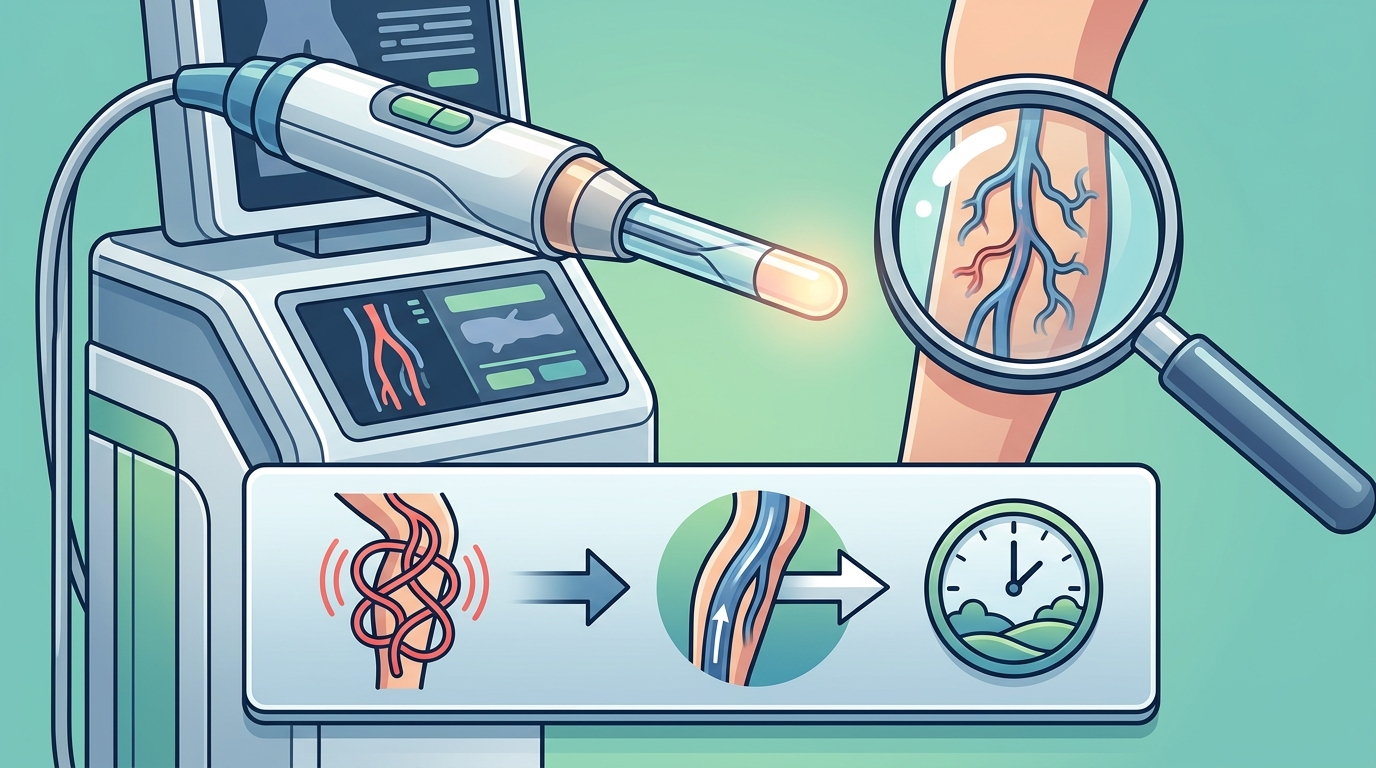
Accurate diagnosis begins with a comprehensive vascular assessment. At Truffles Vein Specialists, we utilize advanced non-invasive testing to evaluate blood flow in the legs. The primary tool for this evaluation is a venous duplex ultrasound. This imaging technique allows specialists to visualize blood flow and identify any areas of reflux or blockage.
The diagnostic process is quick and painless. It provides a clear picture of the venous system's health. By identifying the source of the problem, we can tailor a treatment plan that addresses the root cause. This targeted approach ensures that patients receive the most effective care possible. Early detection is key to preventing disease progression.
Treatment Options
If venous insufficiency is identified as the cause of your restless sensations, several effective treatments are available. Modern vein care has moved far beyond traditional surgery. Minimally invasive procedures offer faster recovery times and better cosmetic outcomes. These treatments aim to seal off damaged veins, redirecting blood flow to healthier vessels.
Common treatment modalities include radiofrequency ablation, laser vein ablation, and VenaSeal. Each option has specific indications based on the size and location of the affected veins. Our specialists will recommend the most appropriate method for your unique anatomy. The goal is to eliminate the source of venous hypertension and relieve your symptoms.
| Treatment Modality | Method Description | Best For |
|---|---|---|
| Radio-Frequency Closure | Uses heat energy to seal veins | Large saphenous veins |
| Laser Vein Ablation | Delivers laser energy to close veins | Medium-sized veins |
| VenaSeal | Uses medical adhesive to seal veins | Patients avoiding anesthesia |
| Foam Sclerotherapy | Injects solution to collapse veins | Smaller varicose veins |
Key Takeaways
- Venous insufficiency can mimic the symptoms of Restless Leg Syndrome.
- Up to 15 percent of adults may experience venous issues that cause leg discomfort.
- Venous symptoms often improve with elevation, unlike neurological RLS.
- A venous duplex ultrasound is the gold standard for diagnosis.
- Minimally invasive treatments like VenaSeal offer effective relief.
- Early intervention prevents progression to more severe venous disease.
- Truffles Vein Specialists provides comprehensive vascular testing and care.
Frequently Asked Questions
Can vein disease cause restless legs?
Yes, venous insufficiency can cause sensations that feel like restless legs due to blood pooling and nerve irritation.
How is venous insufficiency diagnosed?
It is diagnosed using a non-invasive venous duplex ultrasound to assess blood flow and valve function.
What is the difference between RLS and venous disease?
RLS is neurological and worsens with rest, while venous disease often improves with leg elevation and shows physical signs like swelling.
Is VenaSeal a good option for vein treatment?
VenaSeal is a glue-based treatment that avoids the need for tumescent anesthesia, offering a comfortable recovery experience.
Do I need a referral for a vein screening?
Many patients can schedule a direct evaluation for a free vein screening without a primary care referral.
How long does vein treatment take?
Most minimally invasive procedures are completed in under an hour and allow for immediate walking.
What are the risks of untreated venous disease?
Untreated venous disease can lead to skin changes, ulcers, and an increased risk of blood clots.
Schedule Your Evaluation
If you are struggling with chronic leg discomfort, do not assume it is just Restless Leg Syndrome. A vascular evaluation can provide clarity and a path to relief. Contact Truffles Vein Specialists today to schedule your consultation. Our team of experts is dedicated to helping you look and feel your best. Visit our free vein screening page to learn more about your options.