
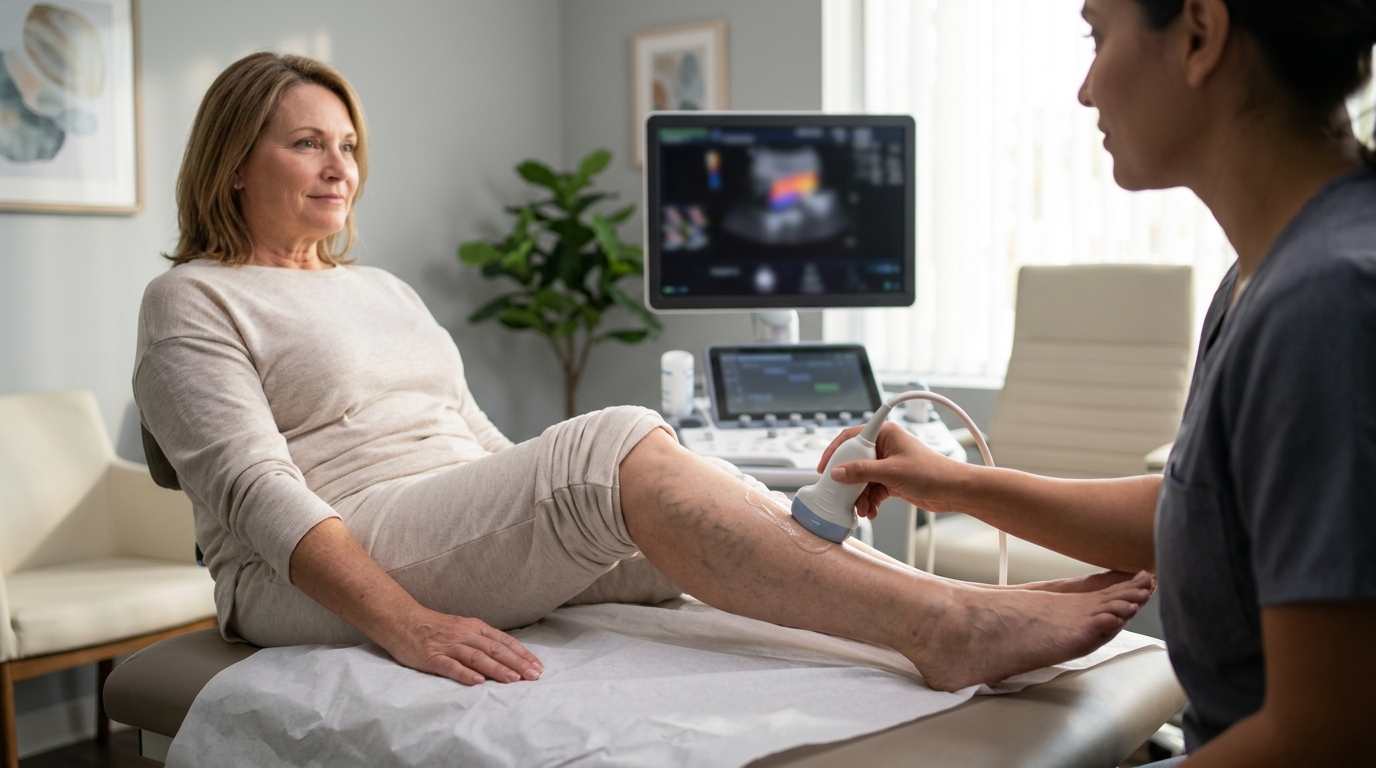
Understanding the diagnostic process is the first step toward reclaiming your comfort and mobility. Venous reflux, also known as chronic venous insufficiency, affects millions of people, causing blood to pool in the legs due to weakened valve function. According to the American Venous Forum, approximately 25% of adults in the United States suffer from varicose veins, a common symptom of this underlying condition. Getting a clear diagnosis through a venous reflux ultrasound is critical for determining the right treatment path. This guide details exactly what happens during the exam, from preparation to results, ensuring you feel informed and at ease.
Preparation and Arrival
One of the most common concerns patients have is whether they need to fast or stop taking medications. The good news is that a venous reflux ultrasound is a non-invasive, external procedure that requires no special dietary restrictions. You can eat and drink normally before your appointment. However, comfort is key. We recommend wearing loose-fitting, two-piece clothing. This allows our vascular technicians easy access to your legs without requiring you to change into a gown, which can be cumbersome and cold.
When you arrive at Truffles Vein Specialists, you will check in with our front desk team. They will verify your insurance information and collect any necessary co-pays. You will then be escorted to a private treatment room. Our facility is designed to be calming and professional, reducing the clinical anxiety that often accompanies medical visits. If you have a history of blood clots, recent surgeries, or are currently pregnant, please inform our staff immediately, as these factors can influence the exam protocol.
The Ultrasound Procedure
The core of the diagnostic process is the venous duplex ultrasound. This technology combines traditional ultrasound imaging with Doppler ultrasound to visualize blood flow in real-time. Venous duplex ultrasound is a non-invasive imaging test that uses high-frequency sound waves to create images of your veins and assess blood flow. The procedure is performed by a certified vascular technician, such as our expert Brian Sapp, RVT, RPhS, who specializes in precise vascular diagnostics.
Here is the step-by-step workflow you will experience:
- Positioning: You will lie on an exam table. For leg veins, you will typically lie on your back. For pelvic veins, you may be asked to lie on your side or stomach. Proper positioning ensures the veins are in their natural state for accurate measurement.
- Gel Application: The technician will apply a warm, water-based acoustic gel to your skin. This gel eliminates air pockets between the skin and the transducer, allowing sound waves to travel clearly.
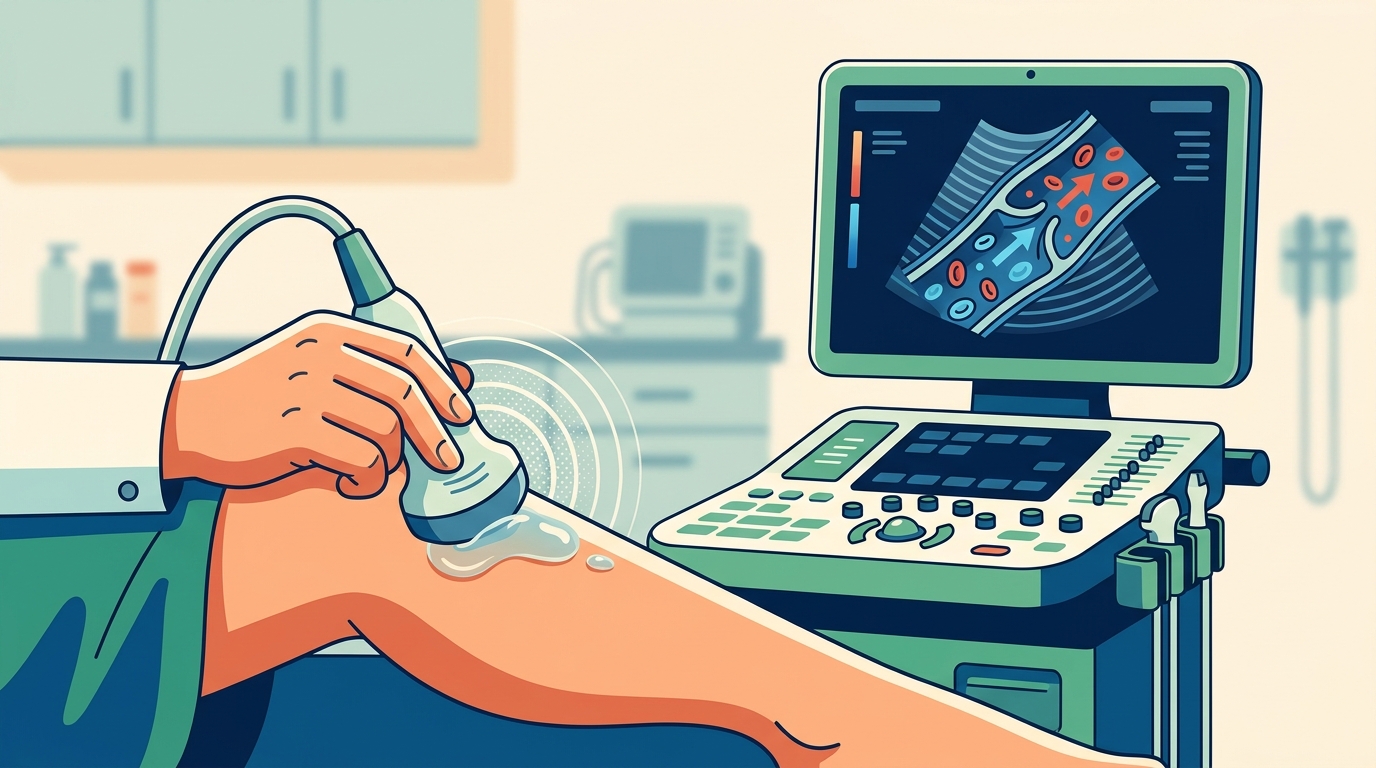
- Transducer Movement: The technician will glide a handheld device called a transducer over your legs. You will feel slight pressure, but no pain. The transducer emits sound waves that bounce off your veins, creating images on a nearby monitor.
- Compression: To check for blood clots, the technician will gently compress the veins with the transducer. Healthy veins collapse under pressure, while clotted veins do not. This step is crucial for ruling out Deep Vein Thrombosis (DVT).
- Maneuvers: To detect reflux, the technician may ask you to perform specific maneuvers. This often involves bearing down (Valsalva maneuver) or using a tourniquet to increase blood flow. These actions help reverse the normal upward flow of blood, revealing any backward leakage.
What the Technician Sees
During the exam, the technician is mapping your venous system. They are looking for two primary issues: obstruction and reflux. Reflux is the backward flow of blood due to incompetent vein valves. When valves fail, blood pools in the legs, leading to swelling, pain, and varicose veins.
The technician will measure the duration of the reflux. In a healthy vein, blood flows upward toward the heart. In a vein with reflux, the blood flows backward for more than 0.5 seconds. This specific metric helps stage the severity of your venous disease. The technician will also check the deep veins in your pelvis and abdomen. Conditions like Pelvic Congestion Syndrome can cause leg pain that mimics standard varicose veins, so a comprehensive scan is essential.
If you are experiencing symptoms like leg swelling, skin discoloration, or ulcers, the technician will document the extent of the venous hypertension. This data is vital for Dr. Paul Feldman and Dr. Christopher Perez to create a personalized treatment plan. Their expertise ensures that we do not just treat the surface symptoms but address the root cause of the venous insufficiency.
Post-Exam and Results
Once the scanning is complete, the technician will wipe off the gel and allow you to dress. The entire process typically takes between 30 to 60 minutes, depending on the complexity of your case. You can resume normal activities immediately after the exam. There is no downtime, no bruising, and no recovery period required.
Our team will review the images with you before you leave. We believe in transparent patient education. You will see the images of your veins on the screen, and the technician will explain what the findings mean in plain language. The official report is then sent to your referring physician or our medical directors for interpretation. If you need a second opinion or have questions about your results, our staff is always available to clarify the medical terminology and next steps.
Treatment Options for Reflux
If the ultrasound confirms venous reflux, there are several effective, minimally invasive treatments available. At Truffles Vein Specialists, we offer a range of solutions tailored to your specific anatomy and lifestyle. We do not believe in one-size-fits-all approaches. Instead, we match the technology to the vein size and location.
| Treatment Name | Method | Best For | Downtime |
|---|---|---|---|
| Radio-Frequency Closure | Thermal energy seals the vein | Large saphenous veins | None |
| Laser Vein Ablation | Laser heat closes the vein | Large to medium veins | None |
| VenaSeal | Medical adhesive glues the vein | Veins near nerves | None |
| Varithena | Foam sclerotherapy | Twisted or tortuous veins | None |
| Sclerotherapy | Injection of irritant solution | Spider veins and small varicosities | None |
Each of these treatments is performed in our office under local anesthesia. You will walk out of the clinic immediately after the procedure. Our goal is to restore healthy blood flow and improve your cosmetic appearance with minimal discomfort. Many patients report significant relief from leg heaviness and pain within days of treatment.
Key Takeaways
- Non-Invasive Nature: The venous reflux ultrasound requires no needles, fasting, or sedation, making it a safe and comfortable diagnostic tool.
- Critical Metrics: Reflux is defined as backward blood flow lasting longer than 0.5 seconds, which is the primary indicator for treatment.
- Expert Staff: Our exams are performed by certified vascular technicians like Brian Sapp, ensuring high-fidelity imaging and accurate diagnosis.
- Comprehensive Scope: The exam covers not just the legs, but also the pelvis and abdomen to rule out conditions like Chronic Venous Obstruction.
- Immediate Results: You receive a preliminary review of your images before leaving, with a detailed report for your medical director.
- Treatment Variety: Options range from thermal ablation to medical adhesive (VenaSeal), allowing for personalized care plans.
- No Downtime: Both the diagnostic exam and subsequent treatments allow for immediate return to daily activities.
Frequently Asked Questions
Do I need to wear compression stockings during the ultrasound?
Generally, no. You should arrive without compression stockings on your legs. The exam is designed to assess your veins in their natural, uncompressed state. Wearing them beforehand can alter the blood flow dynamics and lead to inaccurate readings. If you normally wear them, please bring them to put on after the exam.
Is the venous reflux ultrasound painful?
The procedure is not painful. You may feel slight pressure when the technician compresses the veins to check for clots, but this is brief and mild. The gel is warm, and the transducer glides smoothly over the skin. Most patients find the experience relaxing and are surprised by how quick it is.
How long does the exam take?
A standard venous duplex ultrasound of the legs typically takes 30 to 45 minutes. If the exam includes the pelvis or abdomen, or if you have complex vascular history, it may take up to 60 minutes. We schedule ample time to ensure thoroughness without rushing.
Can the ultrasound detect blood clots?
Yes. One of the primary purposes of the venous duplex ultrasound is to rule out Deep Vein Thrombosis (DVT). The technician will compress the veins to see if they collapse. If a vein does not collapse, it may indicate a clot. This is a critical safety step before proceeding with any vein treatment.
What happens if the ultrasound shows severe reflux?
If severe reflux is detected, our medical directors, Dr. Paul Feldman and Dr. Christopher Perez, will discuss treatment options with you. They will explain which procedure, such as VenaSeal or Radio-Frequency Closure, is best suited for your anatomy. We often schedule treatment during the same visit or shortly after, depending on your preference.
Do I need a referral from my primary care doctor?
While a referral can help with insurance processing, it is not always required to schedule the exam. However, having your medical history and any previous imaging results available helps our team provide the most accurate assessment. You can contact our office to verify your insurance benefits and referral requirements.
Are there any risks associated with the ultrasound?
There are no known risks associated with venous duplex ultrasound. It uses sound waves, not ionizing radiation like X-rays. It is safe for pregnant women, children, and individuals with sensitive skin. The only minor discomfort might be from the gel or the pressure of the transducer.
Schedule Your Evaluation
Do not let vein disease dictate your quality of life. Early diagnosis through a venous reflux ultrasound is the key to effective treatment and long-term vein health. At Truffles Vein Specialists, we combine advanced diagnostic technology with compassionate care to help you look and feel your best. Our team is ready to answer your questions and guide you through every step of your journey.
Take the first step toward healthier legs. Contact us today to schedule your venous reflux ultrasound exam. We are here to help you understand your body and restore your confidence.