

Effective Treatments for Painful Varicose Veins
Varicose veins affect approximately 23% of adults in the United States, according to data from the American Venous Forum. This condition is not merely a cosmetic concern but a progressive vascular disease that can cause significant discomfort, swelling, and long-term health complications. Understanding the most effective treatments is crucial for patients seeking relief from pain and improved quality of life. At Truffles Vein Specialists, we utilize advanced diagnostic tools and minimally invasive techniques to address the root cause of venous insufficiency. (Best Vein Center in)
Understanding the Diagnosis
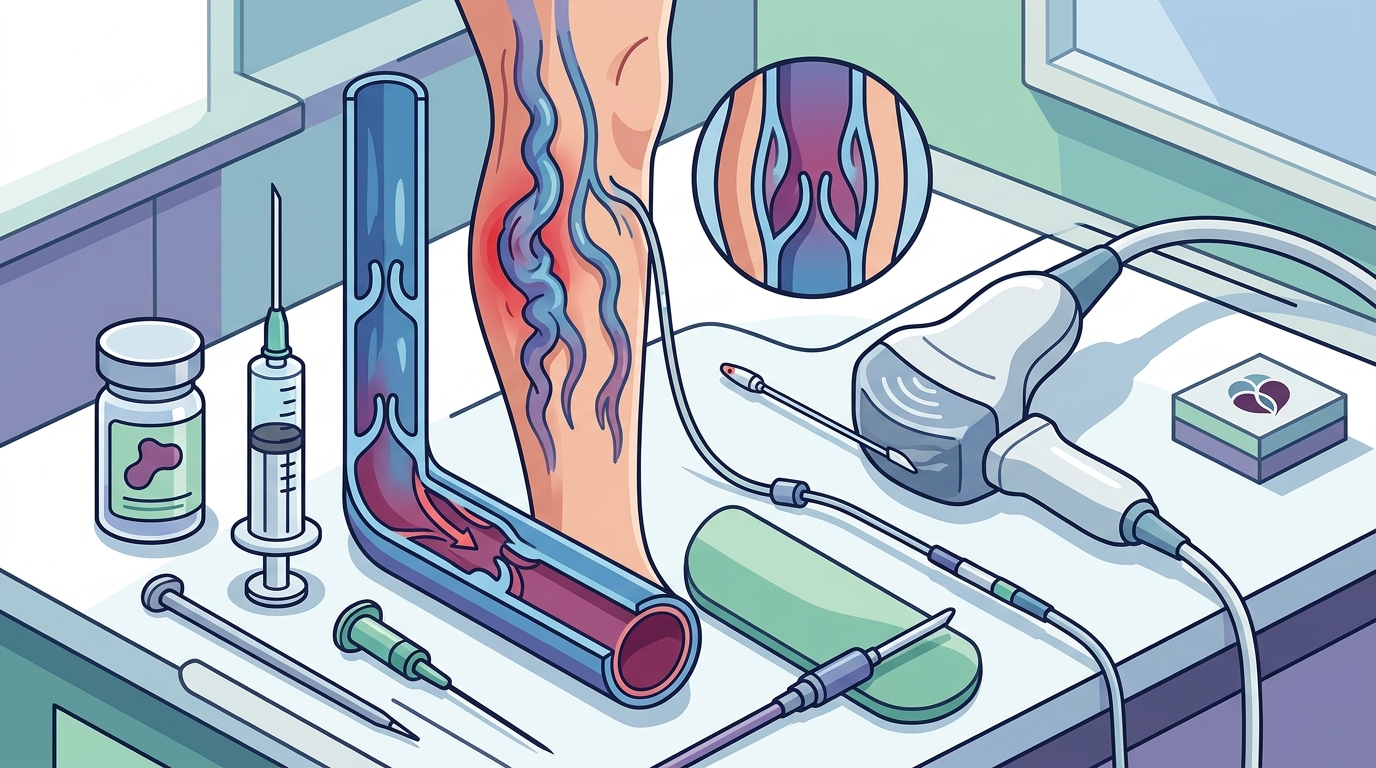
Before determining the best treatment, it is essential to understand the underlying mechanism of vein disease. Varicose veins occur when the valves within the veins weaken or fail. This failure allows blood to flow backward and pool in the legs, increasing pressure and causing the veins to enlarge and twist. This condition is medically known as chronic venous insufficiency. (Medical Vein Center Vein)
Accurate diagnosis is the cornerstone of effective treatment. At Truffles Vein Specialists, we rely on non-invasive vascular testing to map the venous system. Our certified vascular technologists, such as Brian Sapp, RVT, RPhS, perform comprehensive venous reflux ultrasounds. This imaging technique identifies the specific points of valve failure and reflux, allowing us to tailor a treatment plan that targets the source of the problem rather than just the visible symptoms. (Medical Vein Center Vein)
Without proper ultrasound guidance, treatments may miss the underlying reflux, leading to recurrence. Our approach ensures that every patient receives a precise diagnosis before any intervention begins. We also screen for deeper conditions such as Deep Vein Thrombosis (DVT), which requires immediate and different medical attention. For more information on how we diagnose these conditions, visit our Vein Testing Differences page.
Radio-Frequency Closure
Radio-Frequency Closure (RFA) is a widely recognized standard in the treatment of varicose veins. This procedure uses thermal energy to seal off the diseased vein. During the procedure, a catheter is inserted into the affected vein under ultrasound guidance. The catheter delivers controlled radiofrequency energy to the vein wall, causing it to collapse and eventually be reabsorbed by the body.
One of the primary advantages of RFA is its high success rate and minimal downtime. Patients typically experience less pain compared to traditional vein stripping surgery. The procedure is performed under local anesthesia, allowing patients to return to their normal activities within a day or two. Compression stockings are usually recommended for a short period to support healing.
For patients in Fayetteville and surrounding areas, this treatment offers a reliable solution for large, symptomatic varicose veins. We encourage you to explore our Vein Treatment Fayetteville services to learn more about local care options.
Laser Vein Ablation
Laser Vein Ablation, often referred to as Endovenous Laser Ablation (EVLA), is another highly effective thermal treatment. Similar to RFA, this method uses laser energy to heat and seal the vein. The choice between radiofrequency and laser often depends on the specific anatomy of the patient's veins and the physician's preference.
Laser ablation is particularly effective for treating the great saphenous vein, which is a common source of reflux. The laser fiber is inserted into the vein, and the energy is delivered in pulses. This controlled heating causes the vein walls to stick together and close. Over time, blood flow is redirected to healthier veins, reducing pressure and alleviating symptoms.
Research indicates that both RFA and laser ablation have comparable long-term outcomes. The decision often comes down to patient comfort and specific vein characteristics. Our team at Truffles Vein Specialists evaluates each case individually to recommend the most appropriate thermal ablation method. You can read more about our specific Laser Vein Ablation protocols on our services page.
VenaSeal Closure System
VenaSeal represents a significant advancement in vein treatment technology. It is a non-thermal, non-tumescent closure system that uses a medical-grade adhesive to seal the vein. This method eliminates the need for heat, which reduces the risk of nerve injury and the discomfort associated with tumescent anesthesia.
Patients often prefer VenaSeal because it typically requires no compression stockings after the procedure. This is a major quality-of-life improvement for many individuals. The adhesive creates an immediate seal, stopping the reflux instantly. The vein then gradually closes and is absorbed by the body.
While VenaSeal is highly effective, it may not be suitable for all vein sizes or types. Our specialists assess whether your anatomy is a good candidate for this adhesive-based approach. For detailed insights into this innovative treatment, check out our VenaSeal information page.
Sclerotherapy Options
Sclerotherapy is a cornerstone treatment for smaller varicose veins and spider veins. It involves injecting a sclerosing agent directly into the vein. This solution irritates the vein lining, causing it to collapse and scar. Over time, the vein fades and is reabsorbed.
There are different types of sclerotherapy, including Foam Sclerotherapy and Ultrasound-Guided Sclerotherapy. Foam sclerotherapy is particularly effective for larger veins because the foam form allows the solution to stay in contact with the vein wall longer. Ultrasound guidance ensures precise delivery for deeper veins that are not visible on the surface.
Visible Sclerotherapy is used for very fine spider veins near the skin's surface. Each type requires a different technique and expertise. Our team, including providers like Kristin Bourg, PA-C, and Meagan Chrisman, MSN, FNP-C, are trained in all forms of sclerotherapy. Learn more about our Sclerotherapy options to see which is right for you.
Treatment Comparison
Choosing the right treatment can be challenging. The following table summarizes the key features of the most common procedures offered at Truffles Vein Specialists.
| Treatment | Best For | Anesthesia | Compression Stockings | Recovery Time |
|---|---|---|---|---|
| Radio-Frequency Closure | Large saphenous veins | Local | Yes, short-term | 1-2 days |
| Laser Vein Ablation | Large saphenous veins | Local | Yes, short-term | 1-2 days |
| VenaSeal | Large saphenous veins | Local | Usually not required | 1-2 days |
| Foam Sclerotherapy | Medium to large veins | None | Yes, short-term | 1-3 days |
| Visible Sclerotherapy | Spider veins | None | Optional | Immediate |
Key Takeaways
- Varicose veins are a progressive disease affecting millions, requiring professional diagnosis via venous reflux ultrasound.
- Radio-Frequency Closure and Laser Ablation are thermal methods that seal large veins with high success rates.
- VenaSeal offers a non-thermal alternative that often eliminates the need for post-procedure compression stockings.
- Sclerotherapy, including foam and ultrasound-guided variants, is essential for treating smaller and medium-sized veins.
- Dr. Paul Feldman and Dr. Christopher Perez lead our team with extensive expertise in vascular medicine.
- Early treatment can prevent complications such as Deep Vein Thrombosis (DVT) and stasis dermatitis.
- Truffles Vein Specialists provides comprehensive care from diagnosis to post-procedure follow-up.
Frequently Asked Questions
How do I know if my varicose veins are painful?
Painful varicose veins often present with symptoms such as aching, heaviness, swelling, and throbbing in the legs. The pain typically worsens after standing for long periods and improves with elevation. If you experience these symptoms, it is important to seek evaluation.
Is vein treatment covered by insurance?
Many insurance plans cover vein treatment if it is deemed medically necessary. This usually requires documentation of symptoms and proof of reflux via ultrasound. Our team at Truffles Vein Specialists can help you navigate the insurance process. Visit our Insurance page for more details.
What is the difference between foam and visible sclerotherapy?
Visible sclerotherapy uses a liquid solution for fine spider veins near the skin surface. Foam sclerotherapy mixes the solution with air to create a foam, which is better for larger veins as it displaces blood and stays in contact with the vein wall longer.
Can I treat varicose veins before knee surgery?
Yes, treating varicose veins before knee surgery can be advantageous. It reduces the risk of blood clots and improves surgical outcomes. Our team can coordinate with your orthopedic surgeon to time the treatments appropriately. Read more about the Advantage of Vein Treatment Before Knee Surgery.
How long does the VenaSeal procedure take?
The VenaSeal procedure is typically quick, often taking less than an hour. It is performed in our office under local anesthesia. Most patients can drive themselves home and return to work the next day.
What is Pelvic Congestion Syndrome?
Pelvic Congestion Syndrome is a condition where varicose veins develop in the pelvis, causing chronic pain. It is often misdiagnosed. Our specialists are trained to identify and treat this condition using specialized techniques. Learn more about Pelvic Health.
Do you offer free vein screenings?
Yes, we offer free vein screenings to assess your risk and determine if further testing is needed. This is a great first step for anyone experiencing leg discomfort. Schedule your Free Vein Screening today.
Schedule Your Consultation
Do not let painful varicose veins control your life. Effective treatments are available to restore your comfort and confidence. At Truffles Vein Specialists, we are dedicated to providing expert care tailored to your unique needs. Contact us today to schedule your consultation and take the first step toward relief. Visit our Contact page to get started.